
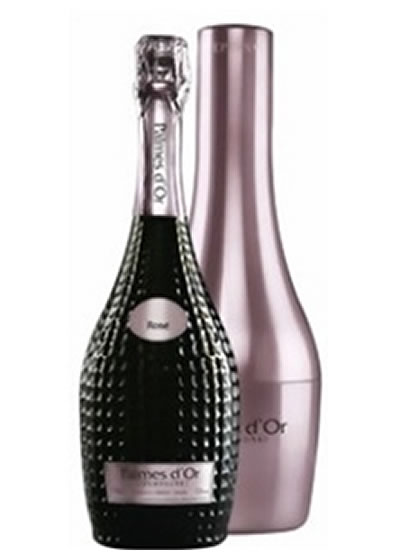
Nicolas Feuillatte Palmes d'Or Rose - 2003
Couldn't load pickup availability
Nicolas Feuillatte Palmes d'Or Rose - 2003
*Availability may vary. Images are for reference only. Design may vary.
Description
Description
Nicolas Feuillatte Palmes d'Or Rosé 2003 is a prestige cuvée rosé Champagne produced via the saignée method from 100% Pinot Noir, bottled at 750ml and approximately 12% ABV. What distinguishes this bottling is its extended aging—at least 10 years on lees before disgorgement—and its origin in one of the most dramatic growing seasons in modern Champagne history.
Quick Facts: ABV: ~12% | Origin: Champagne, France | Vintage: 2003 | Producer: Nicolas Feuillatte
Production & Heritage
Nicolas Feuillatte, headquartered in Chouilly, is the largest cooperative Champagne house in the region, drawing fruit from over 80 villages across the appellation. The Palmes d'Or Rosé 2003 is composed of 50% Pinot Noir from the Grand Cru village of Bouzy and 50% Pinot Noir from Les Riceys in the Aube—two of Champagne's most esteemed terroirs for red grape expression. Rather than blending in still red wine, this cuvée is made using the saignée ("bleeding") method, with 72 hours of skin contact to extract color and structure directly from the grape skins. The resulting wine aged on its lees for a minimum of 10 years, building layers of autolytic complexity before release.
The 2003 vintage itself was extraordinary: large-scale spring frosts and hail were followed by an exceptionally hot summer across Champagne, pushing harvest forward to August 21st—one of the earliest on record. Yields were a minuscule 8,100 kg/ha, concentrating flavor intensity in the surviving fruit.
Tasting Notes
Aroma: The nose opens with ripe strawberries and raspberries before moving into deeper register—candied cherry, marzipan, and earthy floral tones. Subtle hints of vanilla, licorice, and tobacco emerge with time in the glass, signaling the extended lees aging.
Taste: On entry, the palate delivers rich, ripe cherry flavors with a soft, open texture that recalls red Burgundy more than conventional Champagne. The mid-palate reveals spice, red berry compote, and earthy complexity, while delicate tannins from the saignée extraction give genuine structural backbone. The wine walks a line between Champagne precision and still-wine depth.
Finish: Moderately long with a mineral, baked apple quality and lingering licorice spice. A crisp lemon zest acidity emerges at the close, refreshing the palate and balancing the wine's richness.
How to Drink Palmes d'Or Rosé 2003
Serve lightly chilled—around 10-12°C (50-54°F)—in a wide-bowled white wine glass rather than a narrow flute to fully appreciate the aromatic depth and textural weight that a decade-plus of aging has produced. This is a Champagne built for contemplative sipping, ideally neat and without garnish. For those inclined toward mixing prestige cuvées: a French 75 lets the cherry and spice character shine through the citrus; a Champagne Cocktail (with Angostura bitters and a sugar cube) amplifies the existing baking spice and earthy notes; and a Kir Royale made with a restrained measure of high-quality crème de cassis echoes the wine's own dark berry profile.
Best For
- Celebrating a milestone anniversary or significant personal achievement
- Gifting a Champagne collector who values rare vintages and extended aging
- Serving as the centerpiece pour at an intimate dinner party
- Adding a mature prestige rosé to a curated wine collection
Frequently Asked Questions
What does Palmes d'Or Rosé 2003 taste like? It delivers ripe cherry and red berry flavors with earthy, spicy complexity, marzipan, and licorice, underpinned by delicate tannins from the saignée method. A crisp lemon zest acidity provides freshness on the finish.
How does Palmes d'Or Rosé 2003 compare to Dom Pérignon Rosé? Both are prestige cuvée rosé Champagnes, but Palmes d'Or Rosé uses 100% Pinot Noir via saignée extraction, giving it a more tannic, red-wine-like structure, whereas Dom Pérignon Rosé blends Pinot Noir and Chardonnay with added still red wine for its color. The Palmes d'Or also typically ages longer on lees—a minimum of 10 years—contributing deeper autolytic character.
Is Palmes d'Or Rosé 2003 good for sipping neat? Absolutely—this is a contemplative, food-weight Champagne with over a decade of lees aging, making it ideal for slow, attentive sipping at a slightly warmer serving temperature than standard Champagne.
Where is Palmes d'Or Rosé 2003 made? It is produced by Nicolas Feuillatte in Chouilly, Champagne, France, using Pinot Noir sourced exclusively from the Grand Cru village of Bouzy and the village of Les Riceys in the Aube sub-region.
What foods pair well with Palmes d'Or Rosé 2003? Seared duck breast works well, as its richness mirrors the wine's weight and cherry notes. Aged Comté or Gruyère cheese highlights the toasty, nutty lees character. Salmon tartare with a touch of citrus complements the wine's acidity. Lamb chops with herbs echo the earthy, spicy mid-palate. Dark chocolate truffles with a hint of sea salt match the finish's baking spice and mineral quality.
What sizes does Palmes d'Or Rosé 2003 come in? The standard release is a 750ml bottle; availability in other formats such as magnums may vary by market and vintage allocation.
Is Palmes d'Or Rosé 2003 worth the price? Palmes d'Or Rosé positions as a prestige cuvée within Nicolas Feuillatte's range, sitting in the upper tier of vintage rosé Champagnes. Its 100% Grand Cru and village Pinot Noir sourcing, labor-intensive saignée method, and minimum 10-year lees aging justify its placement among serious collector-level rosé Champagnes.
Why Palmes d'Or Rosé 2003?
The saignée method at 72 hours of skin contact is a rarity among prestige Champagnes, where most rosé cuvées rely on the simpler technique of blending still red wine into white base wine. This approach, combined with fruit from Bouzy and Les Riceys—two of the appellation's most respected Pinot Noir sites—produces a rosé with genuine tannic structure and depth that most competitors in the category cannot replicate. The 2003 vintage adds another layer of distinction: extreme heat stress and dramatically low yields created a concentrated, ripe expression unlike any other modern Champagne year. After a decade or more resting on its lees, the result is a Champagne that straddles the line between sparkling wine and still Pinot Noir, rewarding drinkers who seek complexity over convention.
Specifications
Specifications
-
Varietal/Type
-
Product of
-
Region
-
Size
-
Brand
Payment & Security
Payment methods
Your payment information is processed securely. We do not store credit card details nor have access to your credit card information.
New Arrivals
-
 New arrival
Pannon Tokaj
Pannon Tokaj Szamorodni Sweet White 500ML
Very low stock500ML$14.99Unit price /Unavailable -

 Sold outNew arrival
 -
 New arrival
 -
 New arrival
The Brewing Projekt
The Brewing Projekt Variety Mix 12Pk
Very low stock12PK 12OZ Cans$26.99Unit price /Unavailable -
New arrival
Drekker Brewing
Very low stock4PK 16OZ Cans$16.99Unit price /Unavailable -
 New arrival
 -
Sold outNew arrival
-
New arrival
Duchesse de Bourgogne
Very low stock4PK 11.2OZ$26.99Unit price /Unavailable


