

Gorki List Herbal Liqueur 1L
Couldn't load pickup availability

Gorki List Herbal Liqueur 1L
*Availability may vary. Images are for reference only. Design may vary.
Description
Description
Gorki List Herbal Liqueur 1L is a 27-herb bitter liqueur bottled at 28% ABV (56 proof) in a 1-liter format. Built on an unchanged recipe dating to 1961, this expression distinguishes itself through a cold maceration process that preserves the full aromatic complexity of its herbal blend, with wormwood (Artemisia absinthium) serving as the dominant botanical.
Quick Facts: ABV: 28% | Origin: Slovenia | Style: Herbal Bitter Liqueur | Producer: BIO-SAD d.o.o.
Production & Heritage
Gorki List traces its origins to 1961, when the original formula was developed for commercial production in Subotica, Serbia. In 2009, production relocated to Slovenia, where it is now made by BIO-SAD d.o.o. in Jakobski Dol. The liqueur is produced through a cold herb extraction and maceration process — a technique that avoids heat to retain the essential oils and active compounds from all 27 medicinal herbs. This distinguishes it from many European herbal liqueurs that rely on heated distillation or infusion, resulting in a more vivid, uncooked botanical character.
Tasting Notes
Aroma: The nose opens with dried herbs and a wave of fine spiciness before giving way to earthy root tones and a slight underlying sweetness. It reads balanced and aromatic, with a gentle bitterness threading through the herbal layers.
Taste: On entry, the palate is intensely bittersweet, anchored by pronounced herbal depth. At mid-palate, fine spiciness emerges alongside subtle fruitiness, while the wormwood asserts itself as the backbone of the blend. A gentle sweetness softens the overall impression without masking the botanical complexity.
Finish: The finish is long-lasting, strong, and characteristically tart, carrying the herbal and root notes well past the final sip. A lingering bitterness remains, clean and dry, inviting another taste.
How to Drink Gorki List
Gorki List is traditionally served chilled as a neat digestif, though a single large ice cube can temper the bitterness and open up the herbal aromatics for those who prefer a gentler approach. Its bold botanical profile also works well in cocktails: try it in a Negroni as a partial substitute for the bitter component, adding herbal depth alongside the gin and sweet vermouth; in a Black Forest Sour shaken with lemon juice, simple syrup, and a dash of cherry liqueur, where the wormwood-driven bitterness balances the sweetness; or in a Bitter Spritz topped with prosecco and soda water for a lighter, effervescent aperitif.
Best For
- After-dinner digestif service when a bold, herbal closer is preferred over sweet options
- Introducing a friend or guest to the European bitter liqueur tradition beyond mainstream brands
- Building a home bar's amaro and bitter liqueur collection with a distinctive Balkan expression
- Cocktail experimentation where a wormwood-forward herbal profile can replace or complement Italian amari
Frequently Asked Questions
What does Gorki List taste like? Gorki List delivers an intensely bittersweet herbal profile dominated by wormwood, with fine spiciness, earthy root notes, and subtle fruitiness balanced by gentle sweetness. The finish is long, tart, and distinctly herbal.
How does Gorki List compare to Jägermeister? Both are European herbal liqueurs, but Gorki List is notably more bitter and wormwood-forward at 28% ABV compared to Jägermeister's sweeter, more licorice-driven profile at 35% ABV. Gorki List uses a cold extraction method that tends to produce a more raw, vivid herbal character rather than the smoother, more confected sweetness found in Jägermeister.
Is Gorki List good for sipping neat? Yes — neat and chilled is the traditional way to drink it, particularly as a post-meal digestif. Its lower ABV and bold herbal bitterness make it approachable on its own, though those sensitive to bitter flavors may prefer it over ice.
Where is Gorki List made? Gorki List is produced by BIO-SAD d.o.o. in Jakobski Dol, Slovenia. The recipe originally debuted in Subotica, Serbia in 1961, and production moved to Slovenia in 2009.
What foods pair well with Gorki List? Dark chocolate and cocoa-rich desserts complement its bitterness with matching intensity. Aged hard cheeses like Parmigiano-Reggiano echo its savory herbal depth. Grilled lamb or venison with herb-forward seasoning mirrors the wormwood and root notes. Dried fruits such as figs or apricots balance the tart finish with natural sweetness. Coffee-based desserts like tiramisu pair well with the liqueur's earthy, bittersweet profile.
What sizes does Gorki List come in? This expression is available in a 1-liter bottle, which is its most widely distributed format.
Is Gorki List worth the price? Gorki List positions as an accessible, value-oriented herbal liqueur, and the 1-liter format offers strong volume for the category. It delivers a level of botanical complexity — 27 herbs, cold-extracted — that competes with more expensive European bitter liqueurs, making it a solid entry point for exploring wormwood-driven herbal spirits.
Why Gorki List?
What sets Gorki List apart from the crowded European herbal liqueur field is its cold extraction process, which foregoes heat to retain a more complete aromatic fingerprint from all 27 botanicals. The unchanged 1961 recipe gives it genuine heritage — this is not a reformulated modern product chasing trends. Wormwood as the lead botanical places it closer to traditional Central European bitters than to the sweeter, more commercially polished herbal liqueurs that dominate retail shelves. For anyone looking to explore bitter liqueurs beyond Italian amari and German digestifs, Gorki List represents a distinct Balkan perspective with real production credibility behind the bottle.
Specifications
Specifications
-
Varietal/Type
-
Product of
-
Size
-
Proof
Payment & Security
Payment methods
Your payment information is processed securely. We do not store credit card details nor have access to your credit card information.
Similar Bottles
-

-
-

-

-
-
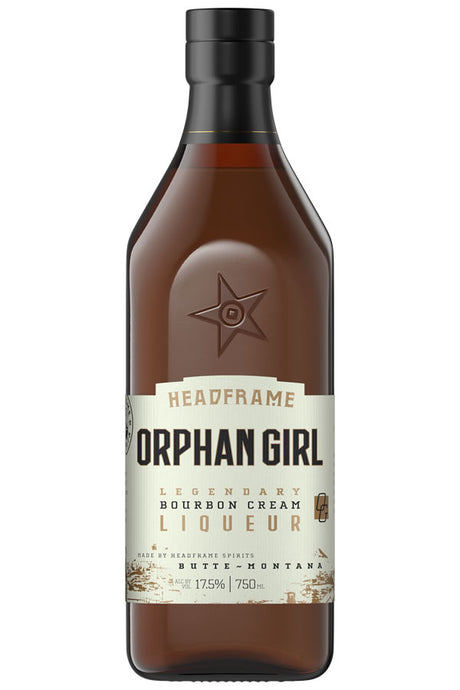
Headframe
Headframe Orphan Girl Bourbon Cream Liqueur 750ML
In stock750ML$29.99Unit price /Unavailable -

-


New Arrivals
-
 5% offNew arrival
 -
 5% offNew arrival
 -
 6% offNew arrival
 -
 5% offNew arrival
 -
 6% offNew arrival
 -
 5% offNew arrival
 -
 5% offNew arrival
 -
 5% offNew arrival


