
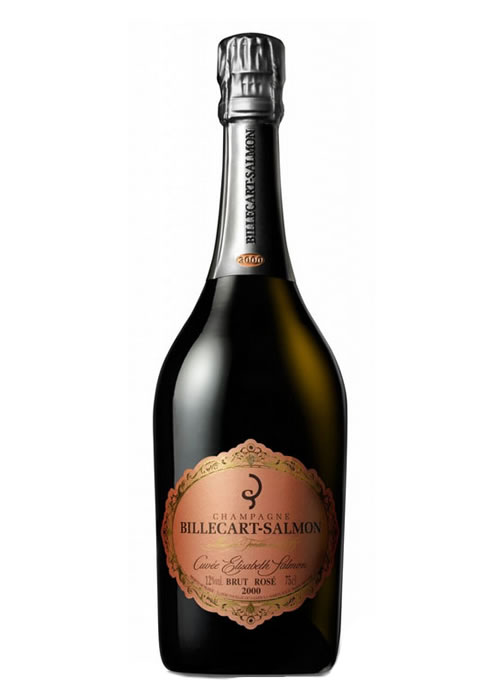
Billecart Salmon Rose Cuvee Elizabeth Salmon
Couldn't load pickup availability
Billecart Salmon Rose Cuvee Elizabeth Salmon
*Availability may vary. Images are for reference only. Design may vary.
Description
Description
Billecart-Salmon Rosé Cuvée Elisabeth Salmon is a prestige rosé Champagne from Mareuil-sur-Aÿ, bottled at 12.5% ABV in a standard 750ml format. Scored 97 points by James Suckling and awarded a perfect 100 points from Ian D'Agata Wine Review for the 2012 vintage, this cuvée stands among the most acclaimed rosé Champagnes in production. Its reputation places it alongside Dom Pérignon Rosé and Cristal in terms of worldwide demand and critical recognition.
Quick Facts: ABV: 12.5% | Origin: Champagne, France | Prestige Cuvée Rosé | Producer: Champagne Billecart-Salmon
Production & Heritage
Champagne Billecart-Salmon was founded in 1818 in Mareuil-sur-Aÿ and remains one of the few family-owned houses in the region. Cuvée Elisabeth Salmon — named after the house's co-founder — is produced using the traditional Méthode Champenoise, blending 55% Chardonnay sourced from Grand Cru villages including Chouilly, Avize, Le Mesnil-sur-Oger, and Cramant with 45% Pinot Noir from Aÿ, Ambonnay, and Mareuil-sur-Aÿ. What truly sets this cuvée apart is its red wine component: less than 10% of the Pinot Noir is vinified as still red wine from vines over 80 years old in the Valofroy parcel in Mareuil-sur-Aÿ, adjacent to the legendary Clos des Goisses. This single-parcel red wine is the production bottleneck and the source of the wine's distinctive savory depth and black cherry intensity.
Tasting Notes
Aroma: The nose opens with restrained elegance before unfurling into layers of dried blood orange, wild raspberry pulp, and sweet spices. Deeper notes of dried apricot, Mirabelle plum, tea, and white cardamom develop with time in the glass, joined by hints of rose, peony, and crushed flowers.
Taste: The palate entry is crisp and finely textured, revealing mandarin and blood orange before expanding into a medium to full-bodied mid-palate of morello cherry, Mara des Bois strawberry, and red berry jelly. At its peak, the wine shows impressive density and vinous structure — broad and multidimensional — with a chalky mineral edge and racy acidity that keeps everything taut and focused.
Finish: Long, delicate, and mouthwatering, the finish lingers with citron zest, red and white currant, and a subtle butterscotch warmth. Fine, persistent bubbles carry the flavors well beyond the final sip, leaving an impression of both power and refinement.
How to Drink Cuvée Elisabeth
This is a prestige Champagne that rewards patient, attentive drinking. Serve it slightly below room temperature — around 10–12°C — in a tulip-shaped glass to allow its complex aromatics to develop fully. While primarily a wine for contemplative sipping, its structure and vinous character make it versatile. A Kir Royale made with Cuvée Elisabeth and a touch of high-quality cassis liqueur amplifies its red fruit intensity. It also anchors a refined French 75, where its Chardonnay-driven elegance and citrus notes complement the gin and lemon. For something unconventional, try it in a Champagne Cocktail with a sugar cube and Angostura bitters, which draws out its spice and butterscotch undertones.
Best For
- Celebrating a milestone anniversary or significant life event
- Gifting a serious wine collector or Champagne enthusiast
- Pairing with a multi-course tasting menu at a special dinner
- Adding a prestige rosé to a curated cellar for medium-term aging
Frequently Asked Questions
What does Cuvée Elisabeth taste like? It delivers a complex interplay of red berry fruit, blood orange, and sweet spice, supported by a chalky mineral backbone and fine, persistent effervescence. The savory depth from old-vine Pinot Noir gives it a vinous, multidimensional character unusual for rosé Champagne.
How does Cuvée Elisabeth compare to Dom Pérignon Rosé? Both are prestige rosé Champagnes competing at a similar tier of critical acclaim and demand. Cuvée Elisabeth tends to lean toward a more delicate, Chardonnay-driven profile with distinctive chalky minerality, while Dom Pérignon Rosé typically shows greater Pinot Noir dominance and a richer, more structured texture.
Is Cuvée Elisabeth good for sipping neat? Absolutely — this is a wine designed for focused, contemplative drinking. Its layered aromatics and extended finish reward undivided attention, particularly when served at the right temperature in a proper glass.
Where is Cuvée Elisabeth made? It is produced by Champagne Billecart-Salmon in Mareuil-sur-Aÿ, located in the Vallée de la Marne sub-region of Champagne, France. The Chardonnay is sourced from Côte des Blancs Grand Cru villages, while the Pinot Noir comes from premier sites in Aÿ, Ambonnay, and Mareuil-sur-Aÿ.
What foods pair well with Cuvée Elisabeth? Seared duck breast with a cherry reduction mirrors its red fruit and savory complexity. Fresh lobster or langoustine with drawn butter highlights the wine's Chardonnay elegance. Aged Comté or Gruyère complements its chalky mineral finish. Tuna tartare with citrus zest plays off its blood orange and grapefruit notes. A raspberry or strawberry tart with crème pâtissière echoes the wine's red berry core.
What sizes does Cuvée Elisabeth come in? The standard release is a 750ml bottle. Magnum (1.5L) formats have been produced for certain vintages, though availability varies significantly by market.
Is Cuvée Elisabeth worth the price? Cuvée Elisabeth positions as an ultra-premium prestige cuvée, competing directly with the most celebrated rosé Champagnes in the world. Its limited production — constrained by the single old-vine Valofroy parcel — and consistent critical scores of 95 points and above from major publications justify its standing at the top of the category.
Why Cuvée Elisabeth?
The defining differentiator is the Valofroy parcel — over 80-year-old Pinot Noir vines adjacent to Clos des Goisses that produce the tiny quantity of still red wine responsible for this cuvée's color and savory black cherry depth. That single-parcel sourcing makes Cuvée Elisabeth inherently limited in a way that most prestige Champagnes are not. Critical reception confirms the quality: 97 points from James Suckling, 96 points from Antonio Galloni at Vinous, and a perfect 100 from Ian D'Agata for the 2012 vintage. Among prestige rosé Champagnes, few combine this level of production specificity, consistent acclaim, and the particular balance of Chardonnay finesse with old-vine Pinot Noir intensity.
Specifications
Specifications
-
Varietal/Type
-
Product of
-
Region
-
Size
-
Brand
Payment & Security
Payment methods
Your payment information is processed securely. We do not store credit card details nor have access to your credit card information.
New Arrivals
-
 New arrival
 -
New arrival
-
New arrival
-
 New arrival
 -
New arrival
-
-

-


Cutwater
Cutwater Gingerbread White Russian 4PK
In stock4PK 12OZ Cans$12.99Unit price /Unavailable


