The Best Champagne for New Year's Eve (2026): Prestige Cuvees, Grower Bottles and Party-Size Picks
New Year's Eve is the one night almost everyone buys a bottle of Champagne, and the question we hear at the counter is always the same: which one? The answer depends on the job. The bottle you open at midnight for two is not the bottle you pour for twenty, and neither is the one you mix into cocktails. Here is how we sort the shelf, from big-house bruts to grower Champagne, rosé, magnums and half bottles.
In This Guide
- Our Picks at a Glance
- The Best Champagne for New Year's Eve, Compared
- Best Champagne for the Midnight Toast
- Best Champagne for a Crowd
- Best Rosé Champagne
- Best Grower Champagne
- Best Sparkling Wine Under $30 That Isn't Champagne
- Magnums and Half Bottles
- Brut, Extra Dry, Vintage, Grower: Champagne Labels Explained
- How to Chill, Open and Pour Champagne
- Frequently Asked Questions
Our Picks at a Glance
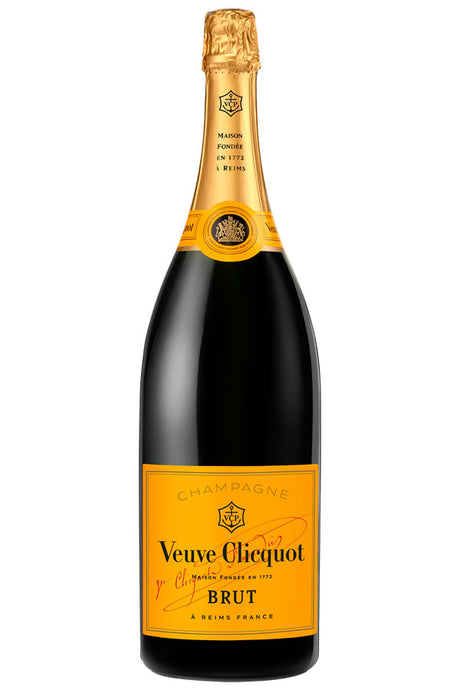
- Best Champagne for New Year's Eve overall: Veuve Clicquot Yellow Label. Rich, toasty, and the bottle everyone recognizes.
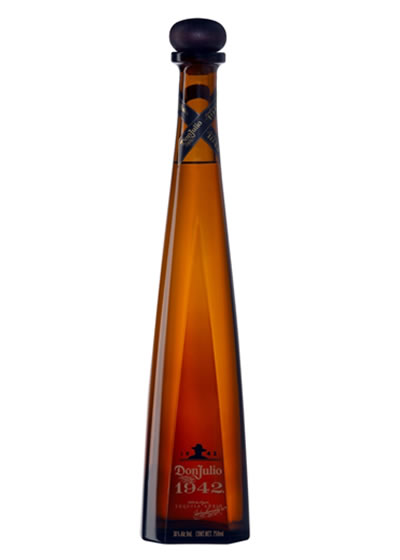
- Best splurge Champagne for the midnight toast: Dom Pérignon 2017, with Krug Grande Cuvée and Cristal 2016 for the big occasion.
- Best Champagne for a party: Moët & Chandon Impérial. Bright, easy and crowd-friendly.
- Best Champagne for Champagne lovers: Bollinger Special Cuvée. Full-bodied and serious.
- Best rosé Champagne: Laurent-Perrier Cuvée Rosé, with Mumm Grand Cordon Rosé as the value pick.
- Best grower Champagne: Marc Hébrart Cuvée de Réserve. Small-family Champagne at a big-house price.
- Best cheap Champagne: Robert de Pampignac Brut. Real Champagne under $30.
- Best Champagne alternative under $30: Roederer Estate Brut from California and Gruet Brut from New Mexico.
- Best magnum for a New Year's party: Veuve Clicquot Yellow Label 1.5L.
The Best Champagne for New Year's Eve, Compared
ABV is what the producer lists for the bottle we sell (Champagne lands at 12% to 12.5%, or 24 to 25 proof). Price tiers reflect our current shelf price; the product page always has the exact number.
| Bottle | Style / Region | Proof (ABV) | Flavor | Price tier | Best for |
|---|---|---|---|---|---|
| Veuve Clicquot Yellow Label | NV Brut, Reims | 24 (12%) | Pear, brioche, toasted nuts | $50 to $75 | The midnight toast, gifts |
| Moët & Chandon Impérial | NV Brut, Épernay | 24 (12%) | Green apple, citrus, white flowers | $30 to $50 | Parties, big pours |
| Taittinger Brut La Française | NV Brut, 40% Chardonnay | 24 (12%) | Lemon, peach, light brioche | $50 to $75 | Lighter style, oysters |
| Bollinger Special Cuvée | NV Brut, Aÿ, Pinot Noir led | 24 (12%) | Baked apple, walnut, toast | $75 to $100 | Champagne lovers, dinner |
| Mumm Grand Cordon Rosé | NV Rosé, Reims | 24 (12%) | Strawberry, red currant | $30 to $50 | Value rosé |
| Laurent-Perrier Cuvée Rosé | NV Rosé, 100% Pinot Noir | 24 (12%) | Raspberry, blood orange | $75 to $100 | Rosé splurge, gifts |
| Marc Hébrart Cuvée de Réserve | Grower (RM), Mareuil-sur-Aÿ | 24 (12%) | Nectarine, almond, chalk | $30 to $50 | Grower Champagne |
| André Clouet Grande Réserve | Family estate, Bouzy Grand Cru | 24 (12%) | Pear, brioche, hazelnut | $30 to $50 | Blanc de noirs, food |
| Robert de Pampignac Brut | NV Brut | 24 (12%) | Lemon, apple, bread | Under $30 | Budget Champagne, mimosas |
| Dom Pérignon 2017 | Vintage prestige cuvée | 25 (12.5%) | Citrus, smoke, toast | $250 and up | Once-a-year bottle |
| Krug Grande Cuvée | Multi-vintage prestige | 25 (12.5%) | Toasted bread, honey, citrus | $250 and up | Serious collectors |
| Roederer Estate Brut | Traditional method, California | 25 (12.5%) | Green apple, pear, brioche | Under $30 | Champagne alternative |
Best Champagne for the Midnight Toast
If there is one bottle a year worth the splurge, this is the night. A prestige cuvée is a house's top bottling: more time on the lees, the best vineyards, and a lot more depth. These are wines to sip slowly, not to pour into a punch bowl.
Dom Pérignon is only ever released as a vintage Champagne, made from a single harvest and skipped in years that don't measure up. The first vintage was 1921. Expect citrus, toast and a smoky, layered finish.
Krug treats its multi-vintage blend as its signature wine, building each numbered edition from well over a hundred wines across more than ten different years. The result is rich and nutty, with toasted bread, honey and bright citrus. Our pick for the person who already loves Champagne.
Cristal was created in 1876 for Tsar Alexander II, who wanted his own cuvée in a clear crystal bottle. Today it is a vintage prestige Champagne known for precision: fine bubbles, white fruit and chalky minerality. Elegant rather than heavy.
Bollinger's vintage Champagne, from a house known for its Pinot Noir and barrel fermentation. Bigger and more savory than most prestige bottles: baked apple, brioche and spice. A great choice if you want vintage Champagne without crossing the $250 line.
Best Champagne for a Crowd
For a party, you want a non-vintage brut that tastes the same every year, opens easily and pleases people who don't think about Champagne the other 364 days. The big houses blend wines from several harvests, including stored reserve wines, to keep that house style steady.
A Pinot Noir-led blend with a large share of reserve wines, so it drinks fuller and toastier than most bruts: ripe pear, brioche and toasted hazelnut. If you only buy one Champagne for New Year's Eve, this is the safe bet.
Brighter and fruitier than Veuve, with green apple, citrus and white flowers. It's the easiest Champagne to like, which makes it our go-to when you're buying a case for a big party.
About 40% Chardonnay, which is unusually high for a big-house brut. That makes it lighter and more delicate: lemon, white peach and a touch of brioche. Great with oysters, shrimp and anything salty.
The non-vintage for people who like their Champagne with weight. Pinot Noir-led, partly barrel fermented and built on reserve wines aged in magnum. Baked apple, walnut and toast, with enough body to carry through dinner.
Best Rosé Champagne
Rosé Champagne is usually made one of two ways: blending a little still red wine into the white base, or briefly soaking Pinot Noir juice on its skins. Either way, you get more red fruit and a little more body.
One of the benchmark rosés, made from 100% Pinot Noir by skin maceration rather than blending. Fresh raspberry, strawberry and blood orange with a clean, dry finish. Instantly recognizable bottle, which makes it a great gift.
Pale, delicate and precise. Strawberry, citrus peel and a fine, creamy bubble. The rosé we suggest for people who think pink Champagne is too fruity.
A Pinot Noir-led rosé Champagne at a price that makes it party-friendly. Bright strawberry and red currant, easy and fun. One of the best values in rosé Champagne.
Best Grower Champagne
Most famous Champagne houses buy a large share of their grapes. Grower Champagne is made by families who farm their own vineyards and make the wine themselves. Look for the small letters "RM" (récoltant-manipulant) on the label. Growers tend to show more of their village and vintage, and they are often a great value next to the big names.
A Pinot Noir-led grower Champagne from a family estate that vinifies dozens of small plots separately before blending. Nectarine, blood orange and salted almond, with a chalky finish. At this price, it's one of the best bottles on the Champagne shelf.
A small family house that farms Grand Cru vines in Bouzy and Ambonnay. It is labeled NM rather than RM, but it drinks like the best grower bottles. This is 100% Pinot Noir, so it's a blanc de noirs: a white Champagne made entirely from red grapes. Pear, brioche and hazelnut with real depth. Excellent with roast chicken or a cheese board.
Special Club is the prestige bottling of the Club Trésors de Champagne, a group of grower estates, and each wine has to pass a tasting by the members before it can carry the name. Vintage 2018, Pinot Noir and Chardonnay, with ripe apple, ginger and toast. A grower's answer to a prestige cuvée at a fraction of the price.
Best Sparkling Wine Under $30 That Isn't Champagne
Only wine from the Champagne region of France can be called Champagne. But the same traditional method, with a second fermentation in the bottle, is used all over the world, and it's the best way to stretch a party budget without giving up the toasty, fine-bubbled style. If you're also weighing Prosecco and Cava, our upcoming Champagne vs. Prosecco vs. Cava explainer walks through the differences.
Real Champagne under $30. A Pinot Noir and Meunier-heavy blend with lemon zest, apple and bready notes. The bottle to buy by the case for mimosas, Champagne cocktails and big toasts.
Founded by Champagne Louis Roederer, the house behind Cristal, in cool, foggy Anderson Valley. Green apple, pear and brioche with a crisp finish. The best Champagne stand-in we know at this price.
Chardonnay and Pinot Noir made by the traditional method in New Mexico. Crisp apple, citrus and a light toastiness.
Cava is Spain's traditional-method sparkling wine, and Juvé & Camps is one of its serious producers. Dry, nutty and citrusy. Great with tapas and salty snacks.
Magnums and Half Bottles
A magnum (1.5 liters) holds two standard bottles and makes a statement when it comes out at midnight. Half bottles (375ml) and splits (187ml) are perfect for a quiet night for two, a gift basket, or a toast without leftovers.
The same Yellow Label in a party-size bottle, about a dozen pours.
A Reserva Cava in its heavy, decorated bottle, here in magnum. Big presence for a modest price, and a great choice for a crowd.
Moët Impérial 375ml and Veuve Clicquot 375ml pour about three glasses each. Moët Impérial 187ml splits are a single generous glass, and they make great party favors or stocking stuffers.
Brut, Extra Dry, Vintage, Grower: Champagne Labels Explained
Sweetness levels
The sweetness word on the label refers to the dosage, a small amount of sugar added just before corking. Confusingly, "Extra Dry" is sweeter than "Brut."
- Brut Nature: less than 3 grams of sugar per liter. Bone dry.
- Extra Brut: 0 to 6 g/L. Very dry.
- Brut: less than 12 g/L. The classic style and what most of this guide covers.
- Extra Dry: 12 to 17 g/L. Just off-dry.
- Sec: 17 to 32 g/L. Noticeably sweet.
- Demi-Sec: 32 to 50 g/L. Sweet, and great with dessert. Try Piper-Heidsieck Sublime Demi-Sec.
- Doux: more than 50 g/L. Rare.
Non-vintage vs. vintage
Non-vintage (NV) Champagne blends several harvests and must age at least 15 months before release. Vintage Champagne comes from a single year and must age at least three years. Vintage bottles cost more and taste deeper and more complex.
Blanc de blancs and blanc de noirs
Blanc de blancs is made only from white grapes, almost always Chardonnay: lighter, citrusy and crisp. Blanc de noirs is made only from red grapes, Pinot Noir and Meunier: rounder and fruitier. Most Champagne blends all three main grapes.
Grower vs. house
"NM" (négociant-manipulant) on the label means a house that buys grapes, which covers most of the famous names. "RM" (récoltant-manipulant) means a grower who makes Champagne from their own vineyards.
How to Chill, Open and Pour Champagne
- Chill it right: serve Champagne cold, around 45°F to 48°F. A bucket of ice and water chills a bottle in about 30 minutes, much faster than the fridge.
- Open it quietly: keep your thumb on the cork, remove the cage, then hold the cork still and turn the bottle slowly. You want a soft sigh, not a pop, and never point the bottle at anyone.
- Pour in two steps: pour an inch, let the foam settle, then fill the glass about two-thirds. Tilt the glass slightly to keep more bubbles.
- Pick the glass: flutes keep bubbles longest. A tulip or white wine glass shows off the aroma of better bottles.
- Count your pours: a 750ml bottle gives about six 4-ounce pours. A magnum gives about twelve.
- Save the rest: a clamp-style Champagne stopper keeps an open bottle lively in the fridge for the next day.
Hosting the whole night? Our guide to the bottles to keep on hand for last-minute hosting covers the rest of the bar.
Frequently Asked Questions
What is the best Champagne for New Year's Eve?
Veuve Clicquot Yellow Label is the best all-around Champagne for New Year's Eve: rich, reliable and recognizable. For a party on a budget, Moët Impérial. For a once-a-year splurge, Dom Pérignon or Krug Grande Cuvée.
What is a good Champagne under $50?
Moët & Chandon Impérial, Mumm Grand Cordon Rosé, Marc Hébrart Cuvée de Réserve and André Clouet Grande Réserve are all real Champagne under $50. Robert de Pampignac Brut is under $30.
How many bottles of Champagne do I need for a New Year's party?
For a single midnight toast, one 750ml bottle covers about six to eight small pours. If Champagne is the main drink of the evening, plan on more and keep a few bottles of traditional-method sparkling wine as backup.
What is the difference between Champagne and sparkling wine?
Champagne is sparkling wine from the Champagne region of France, made with a second fermentation in the bottle. Sparkling wine from anywhere else can use the same method, but it can't be called Champagne.
Is Extra Dry Champagne sweeter than Brut?
Yes. Extra Dry has 12 to 17 grams of sugar per liter, while Brut has less than 12. If you want the driest bottle, look for Extra Brut or Brut Nature.
What is grower Champagne?
Champagne made by a family that grows its own grapes and makes the wine itself, marked "RM" on the label. Marc Hébrart is our favorite, and André Clouet, a small family house labeled NM, drinks in the same spirit.
Shop Champagne at The Liquor Barn
Big houses, grower bottles, rosé, magnums and half bottles. Ships nationwide. Family-owned since 1982.
Shop Champagne Champagne Gifts Sparkling Wine ProseccoThe Liquor Barn operates three retail locations in Vernon Hills, Wheeling, and Niles, Illinois. We are a licensed Illinois retailer and ship to states where direct-to-consumer alcohol shipping is permitted. Prices and availability change; the product page always has the current price. Questions about shipping to your state? Contact us here. Please drink responsibly.