
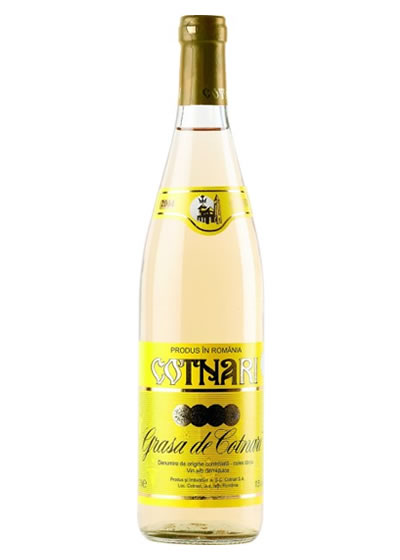
Cotnari Grasa de Cotnari
*Availability may vary. Images are for reference only. Design may vary.
Description
Description
Cotnari Grasa de Cotnari is a botrytis-influenced Romanian white wine made from the indigenous Grasa grape, bottled at 750ml with 11.5–12.5% ABV depending on vintage. The 2023 vintage earned 92 points from the Decanter World Wine Awards, while Luca Maroni rated a non-vintage expression at 94 points — placing it among Romania's most critically recognized wines.
Quick Facts: ABV: 11.5–12.5% | Origin: Cotnari, Moldavia, Romania | Noble Rot White Wine | Producer: Cotnari
Production & Heritage
The Cotnari wine region in Iași County, within Romania's historical province of Moldavia, has cultivated the Grasa variety for centuries. Grapes are left on the vine until late October, allowing over-ripening and infection by botrytis cinerea (noble rot), which concentrates sugars and aromatics while dropping yields from 7–8 tons per hectare down to just 4–5 tons. Fermentation occurs at a controlled 8–12°C in stainless steel tanks using cultivated yeasts, and the Grasa grapes undergo skin maceration to draw out their naturally perfumed character. Only approximately 450 hectares of Grasa de Cotnari exist anywhere in the world, all within Romania.
Tasting Notes
Aroma: The nose opens with pronounced honey and dried apricot, followed by layers of acacia flower and candied citrus peel. Subtle herbal undertones and a gentle vanilla note add complexity as the wine breathes.
Taste: On entry, ripe pear and honeycomb coat the palate with an unctuous sweetness balanced by bright citrus acidity. The mid-palate introduces walnut and almond nuances, while orange peel and gentle spice build toward a concentrated peak. The overall impression is round and full, with the botrytis influence lending depth without overwhelming the fruit.
Finish: Medium-long, with lingering honey, dried stone fruit, and a faint almond bitterness that keeps the sweetness in check. A thread of floral perfume persists after each sip.
How to Drink Grasa de Cotnari
Serve chilled to 8–10°C in a tulip-shaped white wine glass to concentrate the aromatics. This wine is best appreciated on its own as a dessert wine or a contemplative sipper. For a Spritz-style serve, combine a measure with sparkling water and a twist of orange peel for a lighter aperitif. It pairs naturally in a Botrytis Bellini — replacing prosecco's sweetness with the wine's honeyed complexity atop peach purée. A chilled pour also works in a Noble Kir, substituting it for the traditional sweet white in a Kir variation with a dash of blackcurrant liqueur.
Best For
- Gifting a wine enthusiast who appreciates rare indigenous grape varieties
- Serving as a dessert course wine at a dinner party
- Introducing someone to the world of botrytized sweet wines without the Tokaji price point
- Building a collection focused on Eastern European or noble rot wines
Frequently Asked Questions
What does Grasa de Cotnari taste like? It delivers pronounced honey, dried apricot, and ripe pear sweetness balanced by walnut and almond complexity. Candied citrus peel, acacia flower, and gentle spice emerge on the mid-palate, supported by the concentrated character imparted by noble rot.
How does Grasa de Cotnari compare to Tokaji? Historically, sweet Cotnari wines rivalled Hungarian Tokaji at the courts of northern Europe and share the same botrytis-driven winemaking approach. However, Grasa de Cotnari is generally less exposed to oxygen and oak than Tokaji, resulting in a fresher, more floral profile with less oxidative character.
Is Grasa de Cotnari good for sipping neat? Yes — its layered aromatics, balanced sweetness, and medium-long finish make it an excellent standalone sipper when served well chilled. It rewards slow, contemplative drinking.
Where is Grasa de Cotnari made? It is produced in the Cotnari wine region within Iași County, in the historical province of Moldavia in northeastern Romania. The Grasa grape is indigenous to this area and is planted on only about 450 hectares worldwide.
What foods pair well with Grasa de Cotnari? Blue cheese such as Roquefort or Gorgonzola, where the wine's sweetness counterbalances salt and funk. Foie gras or chicken liver pâté, which mirrors the wine's richness. Almond tart or marzipan-based desserts that echo the nutty mid-palate notes. Fresh stone fruit like peaches or apricots amplify the dried fruit character. Baklava or honey-drenched pastries create a natural honeyed harmony.
What sizes does Grasa de Cotnari come in? The standard bottling is 750ml, which is the most widely available format.
Is Grasa de Cotnari worth the price? It positions as a value-driven sweet wine within the botrytized category, offering noble rot complexity at a fraction of what comparable Tokaji or Sauternes expressions command. Multiple gold medals from Vinarium and strong scores from Decanter reinforce its quality-to-value standing.
Why Grasa de Cotnari?
This is one of the rarest botrytized wines in the world, produced from an indigenous grape grown on fewer than 450 hectares globally. Its 92-point Decanter score for the 2023 vintage and 94-point Luca Maroni rating confirm that the quality matches the historical pedigree — these were wines once served alongside Tokaji at European royal courts. The stainless-steel, low-oxygen winemaking preserves a freshness and floral intensity that distinguishes it from more oxidative dessert styles. For anyone exploring noble rot wines beyond Sauternes and Tokaji, Grasa de Cotnari is an essential and genuinely singular reference point.
Specifications
Specifications
-
Varietal/Type
-
Product of
-
Size
-
Brand
Payment & Security
Payment methods
Your payment information is processed securely. We do not store credit card details nor have access to your credit card information.
New Arrivals
-
 New arrival
Pinhook
Pinhook Top Flight Single Barrel 10 Year Bourbon 750ML
Special order750ML$99.99Unit price /Unavailable -
 Unavailable
Evan Williams
Evan Williams Single Barrel 250th Anniversary 750ML
750ML$39.99Unit price /Unavailable -

Journeyman
Journeyman American Holiday Bourbon Cream 750ML
Very low stock750ML$29.99Unit price /Unavailable -

-
-

-

Goose Island
Very low stock24PK 12OZ Cans$27.99Unit price /Unavailable -


