

Chiyonosono 8000 Generations Rice Shochu 750ML
*Availability may vary. Images are for reference only. Design may vary.
Description
Description
Chiyonosono 8000 Generations Rice Shochu 750ML is a vacuum-distilled Japanese rice shochu bottled at 25% ABV (50 proof) from Kumamoto Prefecture, Kyushu. Produced by a family with deep roots in rice wholesaling dating to before 1896, this expression draws on rare estate-grown rice varieties and the precision of a sake Toji to deliver an unusually polished, aromatic shochu.
Quick Facts: ABV: 25% | Origin: Kumamoto Prefecture, Kyushu, Japan | Style: Honkaku (authentic single-distillation) Rice Shochu | Distillery: Chiyonosono
Production & Heritage
The Chiyonosono family operated as rice wholesalers before founding their brewery in 1896, adopting the Chiyonosono name in 1920. That grain-trading heritage gives the distillery unique access to rare and high-quality rice cultivars grown on the southern island of Kyushu. The 8000 Generations expression is made from 100% kome (rice) fermented with kome koji (rice koji), then vacuum-distilled — a low-pressure method that preserves delicate aromatics and yields a cleaner, more refined distillate than atmospheric pot distillation. The process mirrors the meticulous approach of a sake Toji, resulting in a shochu that bridges the worlds of sake and spirit.
Tasting Notes
Aroma: Opens with a crisp, clear rice note that reads almost like freshly steamed short-grain. Behind it, subtle fruit tones — honeydew melon and green apple — emerge as the spirit breathes.
Taste: The entry is soft and medium-bodied, with natural rice sweetness giving way to ripe honeydew at mid-palate. A gentle earthiness and faint minerality balance the fruit, keeping the profile grounded rather than overtly sweet.
Finish: Smooth and moderate in length, trailing off with a clean rice-grain echo and the slightest hint of melon. There is no burn or harshness — just a silky fade that invites the next sip.
How to Drink 8000 Generations
Traditionally, rice shochu is served neat at room temperature, slightly chilled, or diluted with hot or cold water (oyuwari and mizuwari, respectively). A 6:4 ratio of hot water to shochu is the classic oyuwari proportion, which opens up the aromatics while softening the palate. Three cocktails worth exploring:
- Chuhai Highball — combine with cold soda water and a squeeze of fresh yuzu or lemon; the rice base provides a cleaner, softer canvas than barley or sweet-potato shochu.
- Shochu Martini — stir with dry vermouth and a dash of sake; the melon and apple notes complement the herbal vermouth without competing.
- Ume Sour — shake with fresh lemon juice, simple syrup, and a splash of umeshu; the rice sweetness rounds out the tart plum flavors naturally.
Best For
- Introducing sake drinkers to the world of Japanese shochu
- Building a Japanese spirits shelf alongside whisky and sake
- Pairing with a multi-course Japanese dinner at home
- Gifting someone who appreciates understated, food-friendly spirits
Frequently Asked Questions
What does 8000 Generations taste like? It presents a clean, medium-bodied rice character with honeydew melon and green apple overtones, a touch of earthiness, and a silky smooth finish. The overall impression is delicate and aromatic rather than bold or heavy.
How does 8000 Generations compare to Hakutake Shiro? Both are Kumamoto-produced rice shochu, but Hakutake Shiro is atmospheric-pot-distilled, giving it a slightly fuller, earthier profile. Chiyonosono's vacuum distillation yields a lighter, more fruit-forward spirit with greater aromatic clarity.
Is 8000 Generations good for sipping neat? Yes — at 25% ABV it is lower in alcohol than most Western spirits, making it approachable on its own at room temperature or lightly chilled without the need for dilution.
Where is 8000 Generations made? It is produced by the Chiyonosono Distillery in Kumamoto Prefecture on the island of Kyushu, Japan — a region historically renowned for rice cultivation and rice-based shochu production.
What foods pair well with 8000 Generations? Sashimi and raw oysters benefit from the spirit's clean rice backbone. Tempura's light batter echoes the delicate texture. Grilled yakitori with tare sauce plays off the faint sweetness. Steamed dumplings and soft tofu dishes complement the subtle earthiness without overwhelming the shochu's nuance.
What sizes does 8000 Generations come in? The standard size is a 750ml bottle, which is the most widely available format for this expression.
Is 8000 Generations worth the price? It positions in the mid-range tier for premium honkaku shochu, which is reasonable given the vacuum-distillation process and the distillery's access to estate-grown rice. For drinkers exploring shochu beyond entry-level options, it represents strong value.
Why 8000 Generations?
What separates this shochu from the broader category is its pedigree in rice. Few shochu producers began as rice wholesalers; that lineage translates into proprietary access to Kyushu-grown grain that most competitors simply cannot source. Vacuum distillation preserves aromatic compounds that heavier distillation methods destroy, giving 8000 Generations a brightness and polish uncommon in the category. At 25% ABV, it sits at a natural crossroads between sake and spirit, making it one of the most versatile Japanese bottles for both the table and the bar cart. For anyone serious about understanding honkaku shochu, this is a benchmark rice expression from a heritage-driven producer.
Specifications
Specifications
-
Varietal/Type
-
Product of
-
Size
-
Brand
Payment & Security
Payment methods
Your payment information is processed securely. We do not store credit card details nor have access to your credit card information.
New Arrivals
-
 New arrival
 -
New arrival
-
 Sold outNew arrival
 -
New arrival
-
Sold outNew arrival
Hop Butcher for The World
Hop Butcher New School Hawaii Vibes 4Pk
4PK 16OZ Cans$16.99Unit price /Unavailable -
 New arrival
 -
New arrival
Phase Three
Very low stock4PK 16OZ Cans$17.99Unit price /Unavailable -

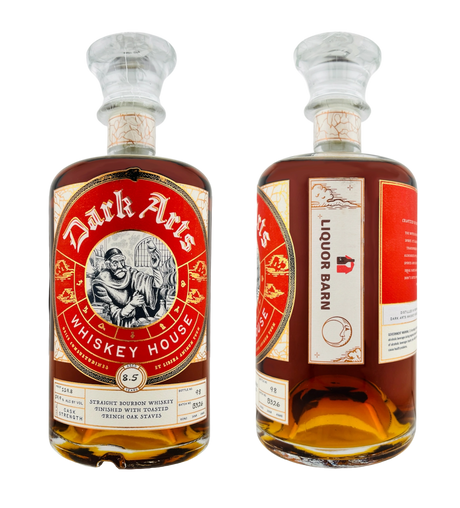
Dark Arts
Dark Arts Toasted French Oak Cask Strength 8.5 Year Liquor Barn Single Barrel 750ML
In stock750ML$109.99Unit price /Unavailable


