
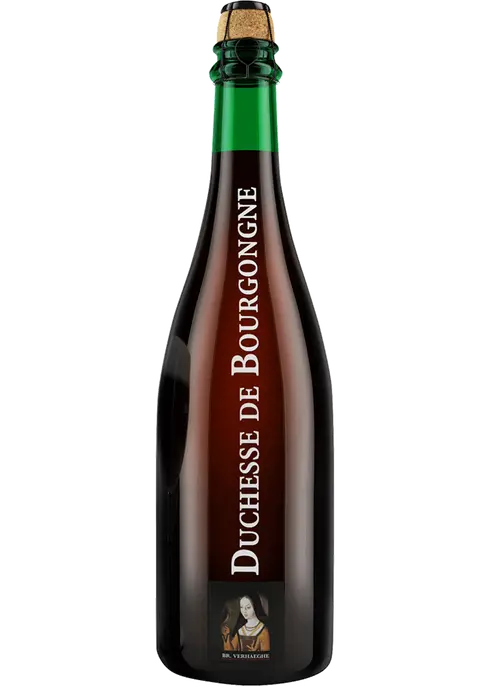
Duchesse de Bourgogne 750ML
Couldn't load pickup availability
Duchesse de Bourgogne 750ML
*Availability may vary. Images are for reference only. Design may vary.
Description
Description
Duchesse de Bourgogne 750ML is a Flanders red ale from Belgium's West-Flanders region, bottled at 6.2% ABV in a 750ML format. This oak-aged blend from Brouwerij Verhaeghe holds a 93 score on BeerAdvocate and a 96–98 rating on RateBeer, placing it among the most acclaimed examples of its style worldwide.
Quick Facts: ABV: 6.2% | Origin: West-Flanders, Belgium | Blend of 8- and 18-month oak-aged ales | Brewery: Brouwerij Verhaeghe, Vichte
Production & Heritage
Brouwerij Verhaeghe has operated in the village of Vichte in West-Flanders since 1885, making it one of Belgium's enduring family-run breweries. Duchesse de Bourgogne undergoes primary and secondary fermentation before extended aging in large oak foeders — traditional wooden vessels central to the Flemish sour tradition. What distinguishes this beer from every other traditional Flanders red-brown producer is that it consists of 100% foeder-aged beer; rather than blending young, unaged top-fermented beer with older stock, Verhaeghe blends younger foeder beer (8 months) with older foeder beer (18 months), yielding deeper oak integration and more unified complexity.
Tasting Notes
Aroma: Dark fruit and tart sour cherries lead, followed by layers of toffee, vanilla, and bready malt. Subtle apple-like esters add freshness beneath the oak-driven sweetness.
Taste: The entry is smooth and malt-forward with a sweet, almost vinous quality reminiscent of red wine. At mid-palate, gentle tartness emerges — balsamic vinegar, ripe berries, and passion fruit intertwine with chocolate and oak tannins. The sweetness and acidity achieve a careful balance, with neither overwhelming the other.
Finish: Medium-long, dry, and bittersweet, with lingering acidity and a final echo of dark fruit and oak. The mouthfeel remains smooth and medium-bodied throughout, tapering to a crisp, clean close.
How to Drink Duchesse de Bourgogne
Pour into a tulip glass or wide goblet at cellar temperature (50–55°F / 10–13°C) to let the oak and fruit aromatics open fully. Drinking it straight is the most rewarding approach, though it also works in several beer cocktail formats.
- Flanders Spritz: Top a small pour of Duchesse with dry sparkling wine — the shared acidity and fruit notes create a layered aperitif.
- Cherry Shandy: Blend with a light lager and a splash of cherry juice for a sessionable warm-weather drink that highlights the ale's natural tartness.
- Sour Float: Pour over a scoop of vanilla bean ice cream — the balsamic and cherry character plays against the cream in a dessert-style serve.
Best For
- Introducing a craft beer enthusiast to the Flemish sour tradition
- Pairing alongside a multi-course dinner as a wine alternative
- Gifting to someone who appreciates barrel-aged complexity
- Cellaring for one to three years to observe how acidity and sweetness evolve
Frequently Asked Questions
What does Duchesse de Bourgogne taste like? Duchesse de Bourgogne delivers tart cherry and dark fruit layered with oak, chocolate, and a balsamic-like acidity, finishing dry and bittersweet. The sweetness and sourness are well-balanced, making it approachable for drinkers new to Flanders reds.
How does Duchesse de Bourgogne compare to Rodenbach Grand Cru? Rodenbach Grand Cru is generally considered more aggressively sour and vinegar-forward, while Duchesse de Bourgogne leans sweeter with more pronounced malt and toffee character. Duchesse is also unique in using 100% foeder-aged beer in its blend, whereas Rodenbach blends foeder-aged beer with younger, unaged ale.
Is Duchesse de Bourgogne good for beginners to sour beer? Yes — its balance of sweet malt and gentle tartness makes it one of the most accessible entry points into the Flanders red style. The fruit-forward, oak-rounded profile avoids the sharp acidity that can overwhelm newcomers to sour ales.
Where is Duchesse de Bourgogne made? Duchesse de Bourgogne is brewed and barrel-aged at Brouwerij Verhaeghe in Vichte, a village in the West-Flanders region of Belgium. The brewery has been operating at this location since 1885.
What foods pair well with Duchesse de Bourgogne? Flemish beef stew (carbonnade flamande) mirrors the ale's malty depth and acidity. Aged Gouda or Gruyère complement the toffee and oak notes. Roasted duck benefits from the beer's fruit-forward tartness cutting through rich fat. Dark chocolate truffles echo the ale's chocolate undertones. Fresh goat cheese plays off the tangy, balsamic character.
What sizes does Duchesse de Bourgogne come in? Duchesse de Bourgogne is commonly available in the 750ML bottle format as well as standard 330ML bottles.
Is Duchesse de Bourgogne worth the price? Duchesse de Bourgogne positions as a premium Belgian ale whose 18-month oak aging and traditional blending process justify its price point above standard craft offerings. With a 93 on BeerAdvocate and near-perfect RateBeer scores, it delivers critical acclaim consistent with its premium tier within the Flanders red category.
Why Duchesse de Bourgogne?
The 100% foeder-aged blend is the single most important fact about this beer — no other traditional Flanders red-brown producer takes that approach, and it results in a more cohesive oak character from top to bottom. Brouwerij Verhaeghe's 139-year legacy in Vichte anchors the beer in genuine regional tradition rather than modern imitation. Critical reception backs this up: a 93 on BeerAdvocate across nearly 5,000 ratings and 96–98 on RateBeer reflect broad consensus among experienced beer drinkers. For anyone exploring barrel-aged sour ales, Duchesse de Bourgogne remains one of the defining reference points of the style.
Specifications
Specifications
-
Varietal/Type
-
Product of
-
Size
-
Proof
-
Brand
Payment & Security
Payment methods
Your payment information is processed securely. We do not store credit card details nor have access to your credit card information.
New Arrivals
-
 New arrival
Dark Arts
Dark Arts Toasted French Oak Cask Strength 8.5 Year Liquor Barn Single Barrel 750ML
In stock750ML$109.99Unit price /Unavailable -
Foursquare
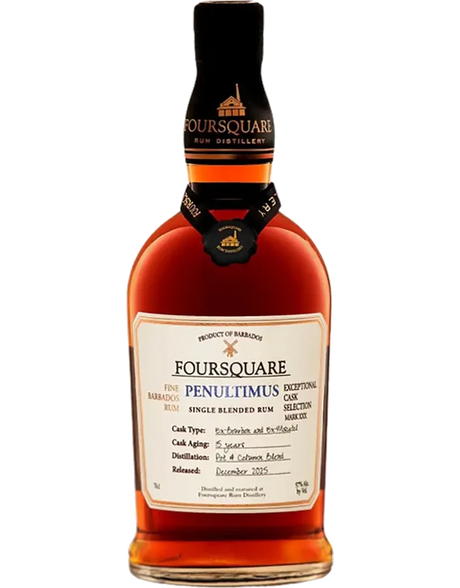
Foursquare Penultimus ECS Mark XXX 15 Year Rum 750ML
Very low stock750ML$169.99Unit price /Unavailable -

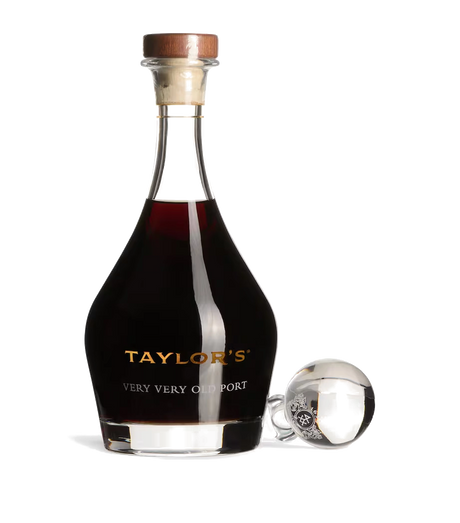
Taylor Fladgate
Taylor Fladgate Very Very Old Tawny
Very low stock750ML$999.99Unit price /Unavailable -
 Sold out
 -
 Unavailable
 -
 Sold out
 -
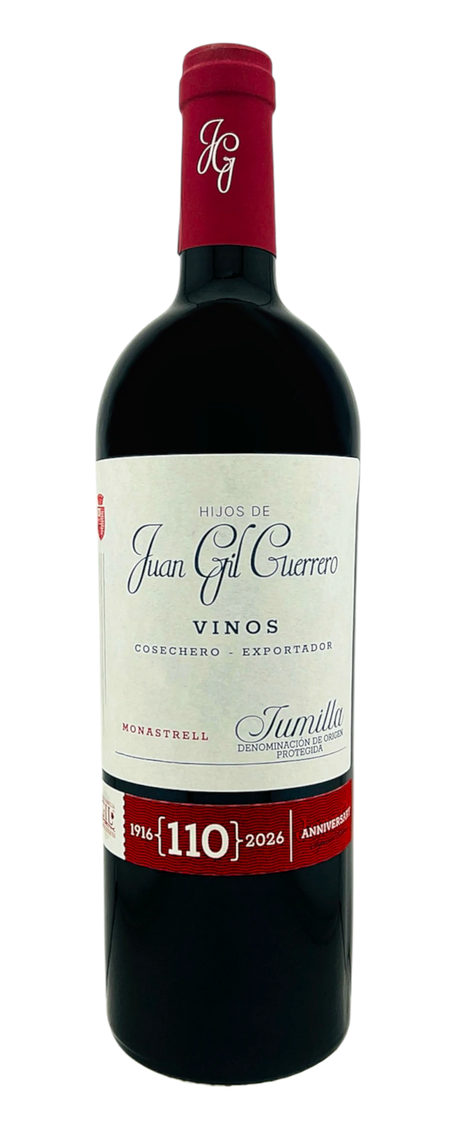
Bodegas Juan Gil
Bodegas Juan Gil Hijos de Juan Gil Guerrero 110th Anniversary
In stock750ML$22.99Unit price /Unavailable -


