

Domaine La Roquete Chateauneuf du Pape 2010
Couldn't load pickup availability

Domaine La Roquete Chateauneuf du Pape 2010
*Availability may vary. Images are for reference only. Design may vary.
Description
Description
Domaine La Roquète Châteauneuf-du-Pape 2010 is a Southern Rhône red blend of Grenache, Syrah, and Mourvèdre in a standard 750ml bottle. This vintage carries particular significance: 2010 was the final year the estate bottled under the La Roquète name before consolidating production into a single red wine labeled Piédlong beginning with the 2011 vintage. It holds a 90-point average critic score on Wine-Searcher, placing it among the well-regarded entries from a strong Châteauneuf-du-Pape vintage.
Quick Facts: Blend: 70% Grenache, 20% Syrah, 10% Mourvèdre | Origin: Châteauneuf-du-Pape, Rhône Valley, France | Vintage: 2010 | Producer: Domaine La Roquète (Brunier Family)
Production & Heritage
Domaine La Roquète is owned by the Brunier family, who also operate the far more widely known Domaine du Vieux Télégraphe—one of the most celebrated estates in all of Châteauneuf-du-Pape. La Roquète's vineyards sit within the appellation and benefit from the same meticulous viticultural approach. The 2010 was aged first in vats for approximately 10 months, then transferred to seasoned large oak foudres for an additional 10 to 12 months before bottling. This gentle approach to élevage preserves the fruit purity and terroir expression that the Bruniers favor across their portfolio. The blend of 70% Grenache, 20% Syrah, and 10% Mourvèdre follows classic Châteauneuf-du-Pape proportions, with Grenache providing the aromatic core and Syrah and Mourvèdre contributing structure and depth.
Tasting Notes
Aroma: The nose opens with spiced, expressive aromas of small red fruits—raspberry and cherry liqueur—layered with smoky accents. With air, floral notes emerge alongside hints of Asian spices, dried herbs, and black pepper.
Taste: The entry is juicy and sweet-fruited, with raspberry and cherry flavors riding a wave of vibrant acidity. At mid-palate, the wine gains considerable weight, picking up deeper licorice, cherry-cola, and black currant qualities. It is concentrated and powerful yet retains genuine freshness, a hallmark of the 2010 vintage across the Southern Rhône.
Finish: The finish is long and spice-driven, with lingering kirsch, peppercorn, and soft licorice trailing off gracefully. A gentle minerality and fine-grained tannin structure carry the wine to a clean, satisfying close.
How to Drink La Roquète 2010
At well over a decade of age, this wine benefits from 30 to 45 minutes of decanting to allow the aromatics to fully unfold. Serve at 60–65°F to balance the ripe fruit against its spice and structure. It drinks beautifully on its own as a contemplative pour but truly excels alongside food: roasted lamb shoulder seasoned with herbes de Provence mirrors the wine's garrigue-inflected spice; slow-braised beef daube echoes its dark fruit and licorice depth; and aged hard cheeses like Comté or Manchego complement the savory, nutty finish.
Best For
- Collectors seeking a final-vintage bottling from a now-renamed Rhône estate
- Gifting a Southern Rhône enthusiast with a mature Châteauneuf-du-Pape
- Anchoring a dinner party centered around Provençal or Mediterranean cuisine
- Vertical tastings exploring the Brunier family's range alongside Vieux Télégraphe
Frequently Asked Questions
What does La Roquète 2010 taste like? It delivers juicy raspberry and cherry flavors accented by licorice, Asian spices, and peppercorn, with concentrated power balanced by bright acidity and a long, spice-driven finish.
How does La Roquète compare to Domaine du Vieux Télégraphe? Both estates are owned by the Brunier family and share a philosophy favoring old-vine Grenache and restrained oak, but Vieux Télégraphe typically commands higher prices and broader critical attention due to its older vines and more storied terroir. La Roquète tends to be more immediately approachable, with slightly brighter fruit and a somewhat lighter structural framework.
Is La Roquète 2010 good for sipping neat? Yes—at over a decade old, this wine has developed enough secondary complexity to reward careful, unhurried sipping, especially after a brief decant to open its aromatics.
Where is La Roquète made? Domaine La Roquète is located within the Châteauneuf-du-Pape appellation in the Southern Rhône Valley of France, an area known for its galets roulés (large rounded stones) and warm Mediterranean climate.
What foods pair well with La Roquète 2010? Roasted lamb with rosemary and garlic highlights the wine's herbal spice; beef daube Provençale complements its dark fruit and licorice; grilled duck breast matches its concentration; ratatouille echoes the garrigue character; and aged Comté or Manchego cheese pairs with the savory, lingering finish.
What sizes does La Roquète 2010 come in? The standard release is a 750ml bottle; other formats for the 2010 vintage are not widely documented.
Is La Roquète 2010 worth the price? La Roquète positions as a mid-tier Châteauneuf-du-Pape—less expensive than the family's flagship Vieux Télégraphe, yet made with comparable care. For a mature, drinking-window wine from a strong vintage and a now-discontinued label, it represents solid value within the appellation.
Why La Roquète 2010?
The 2010 vintage marks the end of an era: it is the last Châteauneuf-du-Pape bottled under the Domaine La Roquète name before the Brunier family consolidated the estate's production into a single cuvée called Piédlong beginning in 2011. That alone gives it historical interest for collectors and Rhône devotees. Beyond the label change, the wine itself is a textbook example of the 2010 vintage's strengths—ripe but not overblown fruit, genuine freshness, and a structure that has allowed graceful aging over the past decade-plus. Backed by the Brunier family's generations of experience in Châteauneuf-du-Pape, La Roquète 2010 stands as both a quality-driven bottle and a quiet piece of Southern Rhône history.
Specifications
Specifications
-
Varietal/Type
-
Product of
-
Region
-
Size
-
Brand
Payment & Security
Payment methods
Your payment information is processed securely. We do not store credit card details nor have access to your credit card information.
New Arrivals
-
 New arrival
 -
New arrival
-
 Sold outNew arrival
 -
New arrival
-
Sold outNew arrival
Hop Butcher for The World
Hop Butcher New School Hawaii Vibes 4Pk
4PK 16OZ Cans$16.99Unit price /Unavailable -
 New arrival
 -
New arrival
Phase Three
Very low stock4PK 16OZ Cans$17.99Unit price /Unavailable -

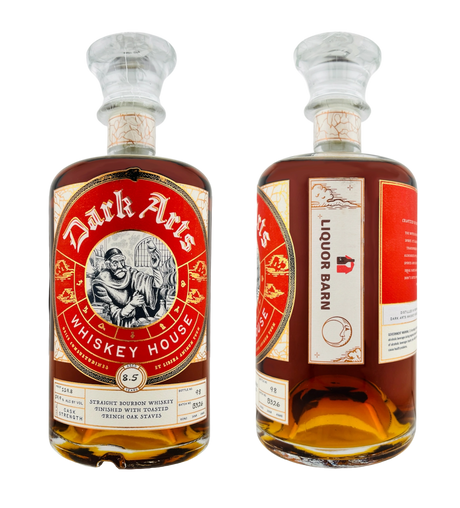
Dark Arts
Dark Arts Toasted French Oak Cask Strength 8.5 Year Liquor Barn Single Barrel 750ML
In stock750ML$109.99Unit price /Unavailable


