

Chateau Moulin De Tricot Margaux
Couldn't load pickup availability
*Availability may vary. Images are for reference only. Design may vary.
Description
Description
Chateau Moulin De Tricot Margaux is a Cabernet Sauvignon-dominant red Bordeaux from the Margaux appellation, bottled at approximately 13% ABV in a standard 750ml format. What distinguishes this estate is its unwavering commitment to a high proportion of Cabernet Sauvignon — roughly 75% — at a time when many Left Bank producers have scaled back to around 50%, making it one of the more classically structured wines in its appellation.
Quick Facts: ABV: ~13% | Origin: Margaux, Bordeaux, France | Blend: 75% Cabernet Sauvignon, 25% Merlot | Château: Moulin de Tricot
Production & Heritage
Château Moulin de Tricot sourced its fruit from vineyards in the prestigious Margaux appellation on Bordeaux's Left Bank. Grapes were hand harvested with strict vineyard selection, then fermented in temperature-controlled stainless steel tanks to preserve varietal purity. Aging took place exclusively in used oak barrels — no new oak was employed — a deliberate decision that allows the fruit and terroir to remain the focal point rather than being masked by toasty, vanillin-heavy wood influence. This approach reflects an older, more restrained Bordeaux philosophy that has largely fallen out of fashion among modern estates. Reports suggest the château may no longer be in active production, which lends increasing scarcity to any remaining bottles on the market.
Tasting Notes
Aroma: The nose opens with sweet, soft fruit giving way to cigar-box aromas, sandalwood, and graphite. Deeper exploration reveals violets, dried herbs, and a light earthy minerality that speaks to its Margaux origins.
Taste: On entry, pure plummy fruit and ripe black currants lead into a mid-palate layered with rich blackberry and blueberry. Cedar, a subtle metallic bitterness, and hints of leather emerge as the wine opens, with sweet tobacco and black olive undertones adding complexity through the peak.
Finish: The finish is moderately long with fine-grained tannins and lingering notes of red hedgerow fruits and a whisper of vanilla from the seasoned oak. It closes dry and composed, with graphite and mineral traces persisting.
How to Drink Moulin de Tricot
This is best enjoyed at cellar temperature, around 16–18°C (61–64°F), in a large-bowled Bordeaux glass that allows the aromatics to develop fully. Decanting for 30 to 60 minutes is recommended, particularly for older vintages. A Classic Bordeaux Blend Sangria works well if you have a younger, more tannic bottle — the dark fruit profile marries naturally with citrus and brandy. A Claret Cup, the traditional British punch built on red Bordeaux, showcases the wine's herbal and berry characteristics. For a more contemporary approach, a chilled Red Wine Spritz with sparkling water and a slice of orange highlights the plummy fruit while tempering tannin.
Best For
- Bordeaux collectors seeking increasingly scarce Left Bank bottlings
- Dinner parties featuring roasted lamb or aged beef dishes
- Gifting a wine enthusiast who appreciates traditional Margaux style
- Exploring old-school Cabernet-dominant Bordeaux winemaking
Frequently Asked Questions
What does Moulin de Tricot taste like? It delivers classic Margaux character — ripe black currant and plummy fruit layered with cedar, tobacco, leather, and a distinctive mineral backbone. The used-oak aging keeps the fruit forward rather than heavily oaked.
How does Moulin de Tricot compare to Château Labégorce Margaux? Both are Margaux-appellation wines, but Moulin de Tricot uses a notably higher percentage of Cabernet Sauvignon (75%) and ages exclusively in used oak, resulting in a more fruit-driven, less oak-influenced profile. Labégorce, a classified Cru Bourgeois Exceptionnel, tends to incorporate more new oak and follows a more contemporary winemaking approach.
Is Moulin de Tricot good for sipping on its own? Yes, its balanced tannin structure and aromatic complexity make it well-suited to drinking neat, particularly with 30 to 60 minutes of decanting to let the layers unfold.
Where is Moulin de Tricot made? It was produced in the Margaux appellation on the Left Bank of Bordeaux, France — one of the most celebrated wine-producing communes in the Haut-Médoc region.
What foods pair well with Moulin de Tricot? Rack of lamb with herbes de Provence complements the wine's dried herb and cedar notes. Aged Comté or Gruyère cheese mirrors its earthy minerality. Grilled ribeye steak stands up to the firm tannins. Duck confit echoes the rich dark-fruit character. Mushroom risotto bridges the wine's earthy undertone and soft berry fruit.
What sizes does Moulin de Tricot come in? The standard bottling is 750ml, which is the most commonly available format for this wine.
Is Moulin de Tricot worth the price? Moulin de Tricot has historically positioned as an accessible, value-tier Margaux — offering genuine appellation character without the premium of classified growths. Given reports that the château may no longer be producing, remaining bottles carry additional collectibility value.
Why Moulin de Tricot?
In an appellation where many estates have softened their blends with increasing proportions of Merlot and leaned into heavy new-oak regimens, Moulin de Tricot held firm to an older Margaux identity: 75% Cabernet Sauvignon and zero new oak. The result is a wine that foregrounds fruit purity, terroir-driven minerality, and the kind of structural elegance that defined Left Bank winemaking for generations. Select vintages have earned scores as high as 93 points from wine critics, demonstrating that this restrained philosophy can deliver genuine quality. With the estate reportedly no longer in production, these bottles represent a disappearing style of Margaux that rewards those who seek it out.
Specifications
Specifications
-
Varietal/Type
-
Product of
-
Region
-
Size
-
Brand
Payment & Security
Payment methods
Your payment information is processed securely. We do not store credit card details nor have access to your credit card information.
New Arrivals
-
 New arrival
 -
New arrival
-
 Sold outNew arrival
 -
New arrival
-
Sold outNew arrival
Hop Butcher for The World
Hop Butcher New School Hawaii Vibes 4Pk
4PK 16OZ Cans$16.99Unit price /Unavailable -
 New arrival
 -
New arrival
Phase Three
Very low stock4PK 16OZ Cans$17.99Unit price /Unavailable -

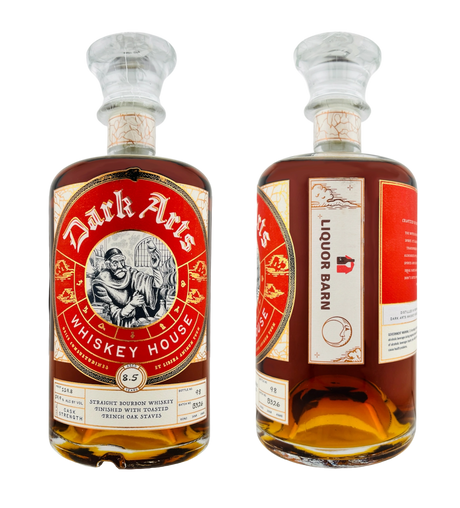
Dark Arts
Dark Arts Toasted French Oak Cask Strength 8.5 Year Liquor Barn Single Barrel 750ML
In stock750ML$109.99Unit price /Unavailable


