

Carruades De Lafite 1998
Couldn't load pickup availability

Carruades De Lafite 1998
*Availability may vary. Images are for reference only. Design may vary.
Description
Description
Carruades De Lafite 1998 is the second wine of Château Lafite-Rothschild, a Pauillac Bordeaux blend in a standard 750ml bottle at approximately 12.5–13% ABV. Rated 90 points by Robert Parker's Wine Advocate, this 1998 vintage reflects the structured, mineral-driven character of Left Bank Bordeaux at over two decades of bottle age.
Quick Facts: ABV: ~12.5–13% | Origin: Pauillac, Left Bank Bordeaux, France | Vintage: 1998 | Producer: Château Lafite-Rothschild
Production & Heritage
Château Lafite-Rothschild, a First Growth estate classified in 1855, has produced Carruades de Lafite as its second wine since the label was formalized in 1974. The 1998 vintage is composed of 61% Cabernet Sauvignon, 33% Merlot, 4.5% Cabernet Franc, and 1.5% Petit Verdot — fruit sourced from younger vines and specific parcels within the Lafite estate in Pauillac. What distinguishes Carruades from many other second wines is its barrel-aging program: Château Lafite ages its Grand Vin in 100% new French oak barrels, and those same once-used barrels are then employed the following year for Carruades, imparting a restrained but sophisticated oak influence rather than the raw intensity of virgin wood.
Tasting Notes
Aroma: The nose opens with ripe blackcurrant and plum, followed by layers of cedar, cigar box, and pencil shavings — aromas long associated with fine Pauillac. Smoke, graphite, and a subtle vanilla undertone round out the bouquet, signaling the wine's maturity.
Taste: The attack is powerful and direct, giving way to a mid-palate defined by dark berry fruit, lead pencil, and earthy minerality. The texture is supple and well-integrated after years in bottle, with caramel and vanilla notes from the oak aging adding a suave dimension. Tannins remain present but have softened considerably, framing flavors of red berries, leather, and smoky tobacco.
Finish: Long and fine, with lingering graphite, cedar, and dried dark fruit. There is an angular structural quality that persists, evidence of the Cabernet Sauvignon backbone and the vintage's natural architecture.
How to Drink Carruades de Lafite 1998
At over 25 years of age, this wine is best served at cellar temperature (60–65°F) in a large-bowled Bordeaux glass; decanting for 30–60 minutes will help open residual aromatics without risking rapid oxidation of an older wine. This is fundamentally a wine for the table rather than a cocktail ingredient, but it pairs naturally with specific serving contexts: alongside a classic Beef Bordelaise where the wine's earthy depth mirrors the sauce; with a herb-crusted rack of lamb where Pauillac's graphite and cedar complement rosemary and thyme; or as the centerpiece of a structured cheese course featuring aged Comté or Ossau-Iraty, where the wine's tannin and fruit balance the richness of the cheese.
Best For
- Gifting a serious Bordeaux collector marking a 1998 milestone
- Serving at a formal dinner alongside red meat or game
- Adding mature Left Bank depth to an established wine cellar
- Commemorating a special anniversary tied to the 1998 vintage year
Frequently Asked Questions
What does Carruades de Lafite 1998 taste like? It delivers dark berry fruit, graphite, cedar, and smoky tobacco with supple, well-integrated tannins and a long mineral finish. The overall profile is powerful on entry but balanced and suave through the mid-palate, reflecting both Pauillac terroir and over two decades of bottle maturation.
How does Carruades de Lafite 1998 compare to Bahans Haut-Brion 1998? Both are second wines from First Growth Bordeaux estates in the 1998 vintage, but Carruades leans toward the classic Pauillac profile of graphite and blackcurrant, while Bahans Haut-Brion (now Le Clarence de Haut-Brion) from Pessac-Léognan tends toward a smokier, more gravelly minerality. The Parker score of 90 points for Carruades 1998 places it in a similar critical tier to many top Bordeaux second wines of that year.
Is Carruades de Lafite 1998 good for sipping on its own? Yes — with its well-resolved tannins and complex aromatic development, it drinks beautifully on its own after decanting, making it an excellent choice for contemplative sipping by those who appreciate mature Bordeaux.
Where is Carruades de Lafite made? Carruades de Lafite is produced at Château Lafite-Rothschild in the Pauillac appellation on the Left Bank of Bordeaux, France. Pauillac is one of the most prestigious communal appellations in the Médoc, home to three of the five 1855 First Growth estates.
What foods pair well with Carruades de Lafite 1998? Grilled or roasted lamb works exceptionally well, as its richness complements the wine's cedar and fruit. Braised short ribs echo the earthy depth of the palate. Aged hard cheeses like Comté provide a textural counterpoint to the wine's tannin. Duck confit aligns with the smoky, savory finish. A mushroom risotto with truffle oil bridges the wine's mineral and earth-driven character.
What sizes does Carruades de Lafite come in? The standard release is a 750ml bottle, though some vintages have been produced in magnum (1.5L) and half-bottle (375ml) formats depending on availability from the château.
Is Carruades de Lafite 1998 worth the price? Carruades de Lafite positions as a premium second wine from one of Bordeaux's most storied First Growth estates, and the 1998 vintage carries added value as a mature, ready-to-drink wine with proven aging ability and a 90-point Parker rating. For collectors seeking entry into the Lafite legacy without Grand Vin pricing, it represents a compelling proposition within the upper tier of Bordeaux second wines.
Why Carruades de Lafite 1998?
The defining distinction of Carruades de Lafite lies in its barrel succession system — inheriting once-used barrels from the Grand Vin's 100% new oak program rather than relying on a typical mix of new and older cooperage. This gives the wine a more refined oak integration than many second wines achieve. The 1998 vintage, now well into its drinking window, has developed the tertiary complexity — leather, tobacco, graphite — that only emerges with patient cellaring. A 90-point score from Robert Parker's Wine Advocate confirms the wine's serious pedigree. For those seeking a fully mature Left Bank Pauillac with the fingerprints of Lafite-Rothschild's terroir and winemaking, few second wines at this age deliver as complete an experience.
Specifications
Specifications
-
Varietal/Type
-
Product of
-
Region
-
Size
-
Brand
Payment & Security
Payment methods
Your payment information is processed securely. We do not store credit card details nor have access to your credit card information.
New Arrivals
-

-
-
 Sold out
 -

-
 Sold out
Hop Butcher for The World
Hop Butcher New School Hawaii Vibes 4Pk
4PK 16OZ Cans$16.99Unit price /Unavailable -

-

Phase Three
Very low stock4PK 16OZ Cans$17.99Unit price /Unavailable -

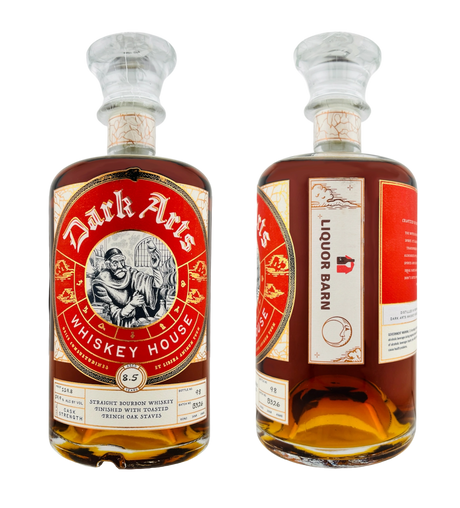
Dark Arts
Dark Arts Toasted French Oak Cask Strength 8.5 Year Liquor Barn Single Barrel 750ML
In stock750ML$109.99Unit price /Unavailable


