
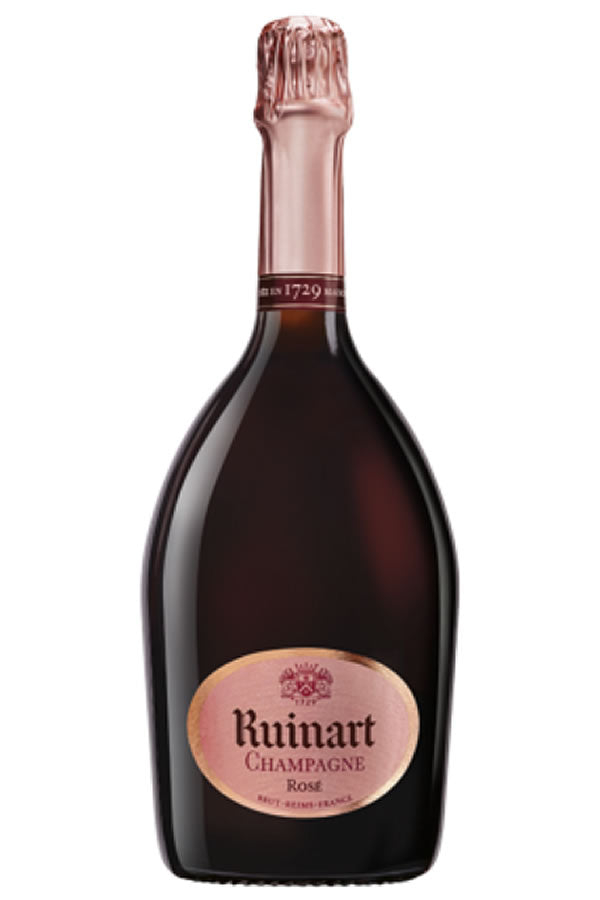
Ruinart Brut Rose 1.5L
Couldn't load pickup availability
Ruinart Brut Rose 1.5L
*Availability may vary. Images are for reference only. Design may vary.
Description
Description
Ruinart Brut Rosé 1.5L is a magnum-format rosé Champagne at 12.5% ABV from the world's oldest established Champagne house, founded in 1729. This expression earned 94 points from Wine Spectator (Alison Napjus), and it carries the distinction of descending from a lineage that introduced rosé Champagne in 1764—a full six decades before many rival houses even existed.
Quick Facts: ABV: 12.5% | Origin: Champagne, France | Non-Vintage Brut Rosé | House: Ruinart (est. 1729)
Production & Heritage
Ruinart, established by Nicolas Ruinart in Reims in 1729, holds the title of the first established Champagne house in history. The Brut Rosé is a blend of 55% Pinot Noir and 45% Chardonnay sourced exclusively from premier cru vineyards across the Côte des Blancs, Montagne de Reims, and Marne Valley—grapes selected basket by basket at the source. Between 18% and 19% of the Pinot Noir component is vinified as still red wine before blending, and the finished cuvée ages two to three years sur latte before disgorgement with an eight gram per liter dosage. The 1.5-liter magnum format promotes slower, more even maturation, often yielding finer bubbles and greater complexity than a standard 750ml bottle.
Tasting Notes
Aroma: The nose opens with vivid red currant, pomegranate, and dark cherry before shifting into more layered territory—blood orange, cranberry, and toasted brioche, with subtle undertones of rooibos and Damask rose.
Taste: The entry is bright and fruit-driven, with pomegranate and lychee meeting a thread of pink grapefruit at the mid-palate. The wine is medium-bodied and elegantly muscular, with a vinous depth and well-integrated tannins that set it apart from lighter rosé Champagnes. Lively acidity runs through the entire palate, keeping the fruit vivid and structured.
Finish: The finish is lengthy, saline-tinged, and perfumed, tapering off with notes of peppermint and pink grapefruit. A subtle spice emerges at the very end, adding an unexpected layer of complexity.
How to Drink Ruinart Brut Rosé
Serve well-chilled between 8°C and 10°C (46–50°F) in a wide-bowled white wine glass rather than a narrow flute to allow the aromatic complexity to fully express itself. The magnum format pours generously and is built for sharing.
- Kir Royale: A small measure of crème de cassis deepens the berry profile without overwhelming the wine's natural red fruit character.
- French 75 (Rosé variation): The Chardonnay backbone and bright acidity hold up well against gin and fresh lemon, adding a rosé dimension to the classic.
- Champagne Cocktail: A sugar cube and Angostura bitters play against the wine's brioche and spice notes, creating a layered aperitif.
Best For
- Anchoring a celebratory dinner table for six to eight guests
- Gifting a Champagne collector who values heritage and provenance
- Serving as a statement pour at weddings or milestone anniversaries
- Adding a serious rosé Champagne to a wine cellar for short-term aging
Frequently Asked Questions
What does Ruinart Brut Rosé taste like? It delivers vivid pomegranate, dark cherry, and red currant layered over brioche and subtle spice, with lively acidity and a saline, perfumed finish. The mouthfeel is medium-bodied with an elegantly vinous depth uncommon in many rosé Champagnes.
How does Ruinart Brut Rosé compare to Laurent-Perrier Cuvée Rosé? Laurent-Perrier Cuvée Rosé is made entirely by maceration of Pinot Noir, producing a fruit-forward, softer style, while Ruinart blends 55% Pinot Noir (with 18–19% vinified as red wine) and 45% Chardonnay, yielding a more structured, mineral-driven wine. Ruinart also draws exclusively from premier cru vineyards and carries the heritage of being the first house to produce rosé Champagne in 1764.
Is Ruinart Brut Rosé good for sipping neat? Absolutely—its layered aromatics, balanced acidity, and extended finish make it a compelling standalone pour. Serving it slightly warmer than ice-cold (around 10°C) brings out the brioche and floral nuances.
Where is Ruinart Brut Rosé made? It is produced by Maison Ruinart in Reims, in the Champagne region of northeastern France. The grapes are sourced from premier cru vineyards across the Côte des Blancs, Montagne de Reims, and Marne Valley.
What foods pair well with Ruinart Brut Rosé? Seared salmon or tuna tartare complement its red fruit and saline finish. Duck breast with a cherry reduction mirrors its Pinot Noir depth. Aged Comté or Gruyère echo the brioche and toasty notes. Fresh strawberries with crème fraîche provide a clean, fruit-driven match. Sushi—particularly fatty cuts like otoro—pairs beautifully with the wine's bright acidity and subtle minerality.
What sizes does Ruinart Brut Rosé come in? Ruinart Brut Rosé is widely available in 750ml and 1.5L magnum formats, with limited releases occasionally appearing in half-bottles (375ml) and larger ceremonial formats.
Is Ruinart Brut Rosé worth the price? Ruinart Brut Rosé positions as a premium rosé Champagne, and the magnum format carries an additional premium reflecting both the larger volume and the superior aging dynamics of the bottle size. With 94 points from Wine Spectator and premier cru sourcing from the world's oldest Champagne house, it represents strong value within the prestige rosé category.
Why Ruinart Brut Rosé?
This is not simply another luxury rosé Champagne—it descends directly from the house that invented the category in 1764. Every grape comes from premier cru vineyards across three of Champagne's most respected terroirs, selected basket by basket before blending. Wine Spectator awarded it 94 points, recognizing its combination of vinous depth, bright acidity, and aromatic complexity. In magnum format, the slower maturation amplifies those qualities, making this a bottle that commands the table and rewards patience in equal measure.
Specifications
Specifications
-
Varietal/Type
-
Product of
-
Region
-
Size
-
Brand
Payment & Security
Payment methods
Your payment information is processed securely. We do not store credit card details nor have access to your credit card information.
New Arrivals
-
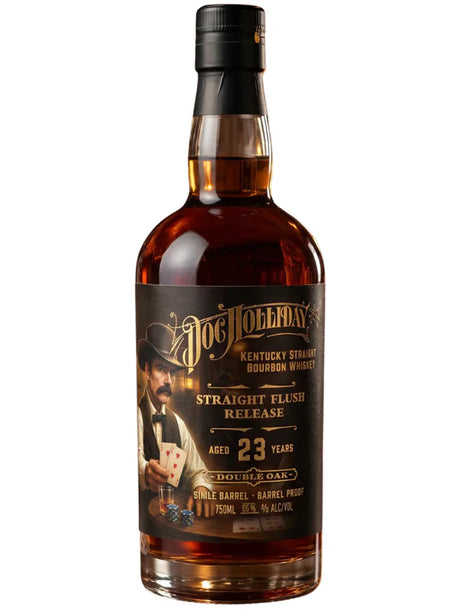
Doc Holliday
Doc Holliday 23 Year Bourbon 750ML
Special order750ML$979.99Unit price /Unavailable -

-
-

-

Maplewood Brewery & Distillery
Very low stock4PK 16OZ Cans$12.99Unit price /Unavailable -
-

Freedom Fighter
Freedom Fighter 6 Year Bourbon Fist 700ML
Low stock700ML$99.99Unit price /Unavailable -


