Bourbon is an American whiskey legally required to be produced in the United States from a grain mixture of at least 51% corn, distilled to no more than 160 proof, entered into new charred oak barrels at no higher than 125 proof, and bottled at a minimum of 80 proof. While bourbon can be made anywhere in the country, Kentucky produces roughly 95% of the world's supply, cementing its status as the undisputed heartland of bourbon whiskey production.
Read more
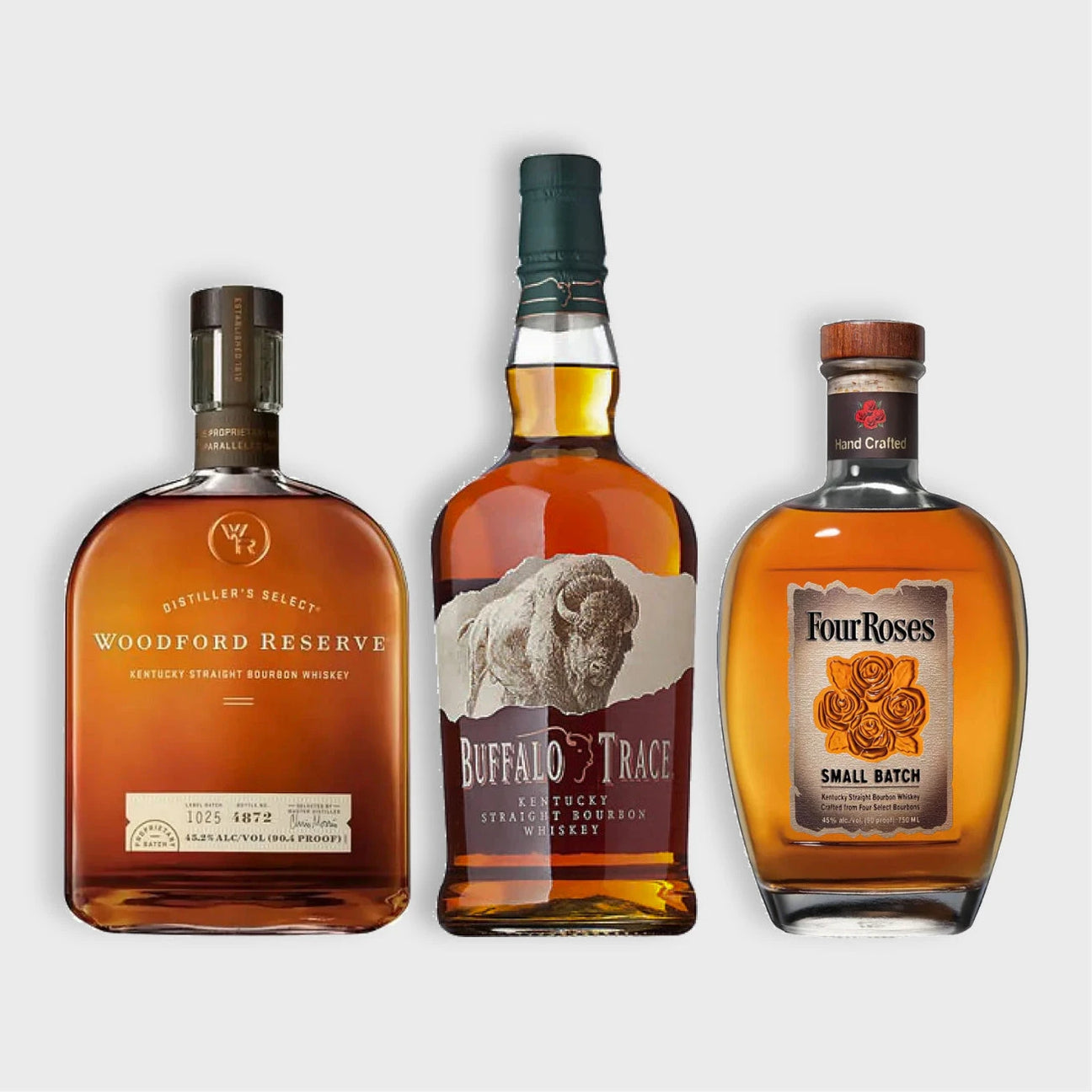
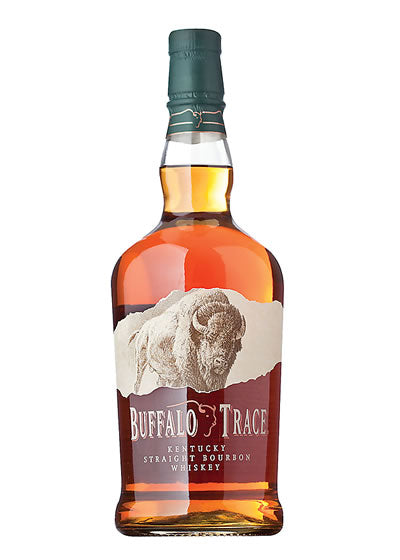
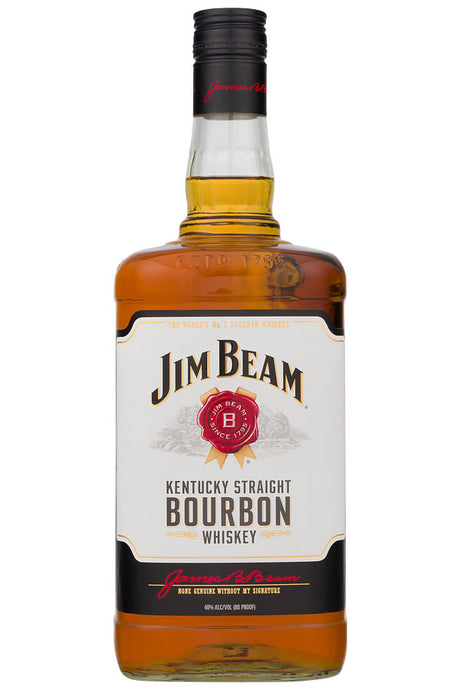
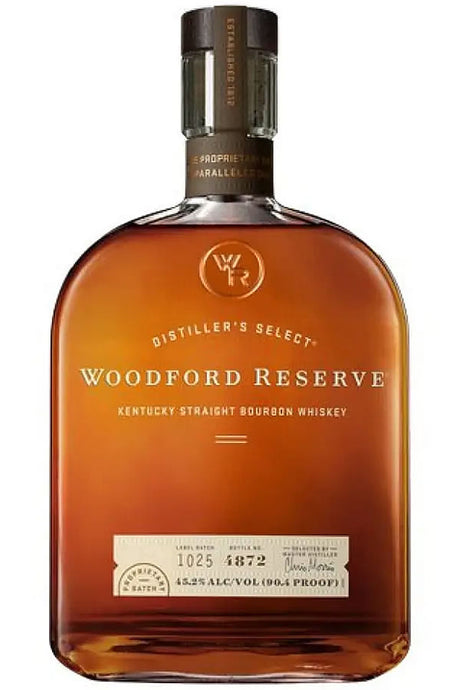
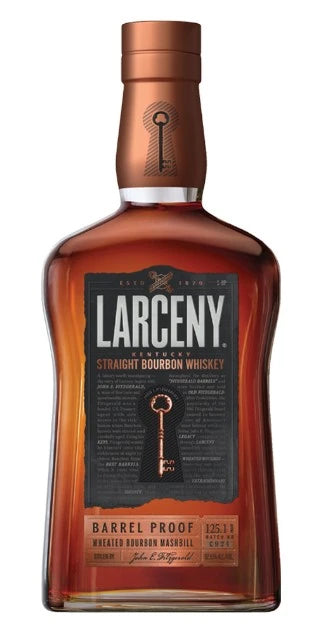
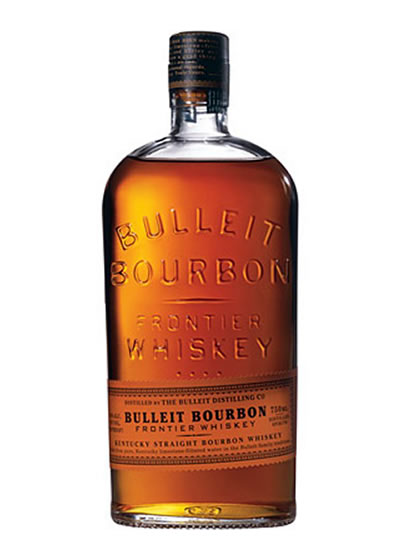
What separates a good bourbon from a great one comes down to mash bill composition, aging, and proof — variables that dramatically shape flavor. High-corn mash bills (70%+ corn) yield sweeter, more approachable pours rich in vanilla and caramel. High-rye bourbons, such as those from Four Roses and Bulleit, introduce bold black pepper, baking spice, and dry complexity that shine in cocktails like the Old Fashioned and Manhattan. Wheated bourbons replace rye with wheat as the secondary grain, producing the softer, rounder profile made iconic by Maker's Mark and the legendary Van Winkle line. Age statements tell only part of the story — a well-crafted six-year bourbon often drinks above its years, while excessively aged expressions can tip toward tannic, oak-heavy territory. Proof is equally critical: 80–90 proof works beautifully in mixed drinks, the 100-proof bottled-in-bond designation guarantees federal quality standards and delivers outstanding sipping character, and barrel-proof releases (typically 110–140 proof) offer uncut, unfiltered intensity for seasoned palates. The distinction between single barrel and small batch matters, too. Single barrel bottlings capture the unique personality of one individual cask, making each bottle a singular experience prized by collectors. Small batch releases blend a curated selection of barrels for depth, balance, and consistency — the everyday workhorse bottles from powerhouses like Buffalo Trace, Wild Turkey, Woodford Reserve, Heaven Hill, and Jim Beam that anchor any serious whiskey shelf.
-
Match the mash bill to preferred flavor: Gravitate toward wheated bourbons for smooth, honey-forward sweetness. Lean into high-rye expressions for cocktail-ready spice and structure. High-corn bourbons deliver the most classic, grain-sweet profile ideal for newcomers.
-
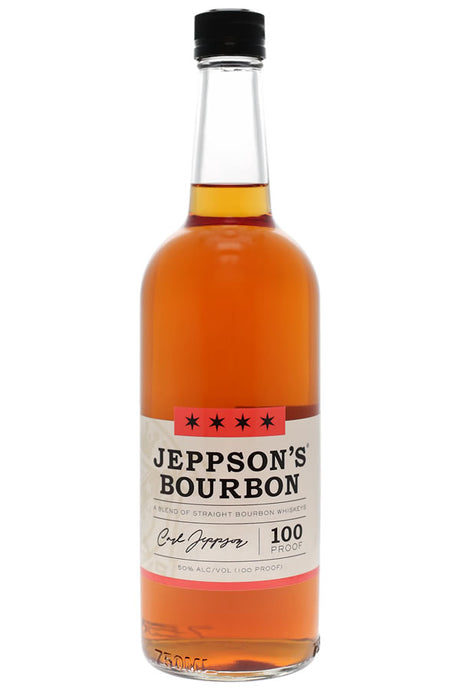
Choose proof based on how it will be poured: Standard 80–90 proof suits highballs and casual mixing. Bottled-in-bond at 100 proof hits the sweet spot for neat sipping with a legal guarantee of quality. Barrel-proof and cask-strength selections reward palates that appreciate adding water to unlock layers of complexity on their own terms.
-
Weigh single barrel character against small batch consistency: Single barrel picks are ideal when seeking a unique, non-repeatable pour — perfect for special occasions or comparative tasting. Small batch bottles prioritize reliable flavor across every purchase, making them the smartest choice for a daily drinker.
-
Evaluate age-to-value ratio honestly: Four-to-six-year bourbons frequently offer the best balance of oak influence, grain sweetness, and affordability. Eight-to-twelve-year expressions add dried fruit, leather, and caramel depth worth the premium. Beyond twelve years, taste before committing — over-oaked bourbon is an expensive disappointment.
As the flagship category within American whiskey, bourbon rewards those who understand its nuances. From a first bottle of Kentucky straight bourbon whiskey to a coveted single barrel pick at cask strength, every expression reflects centuries of grain-to-glass craftsmanship worth exploring one pour at a time.


 10% off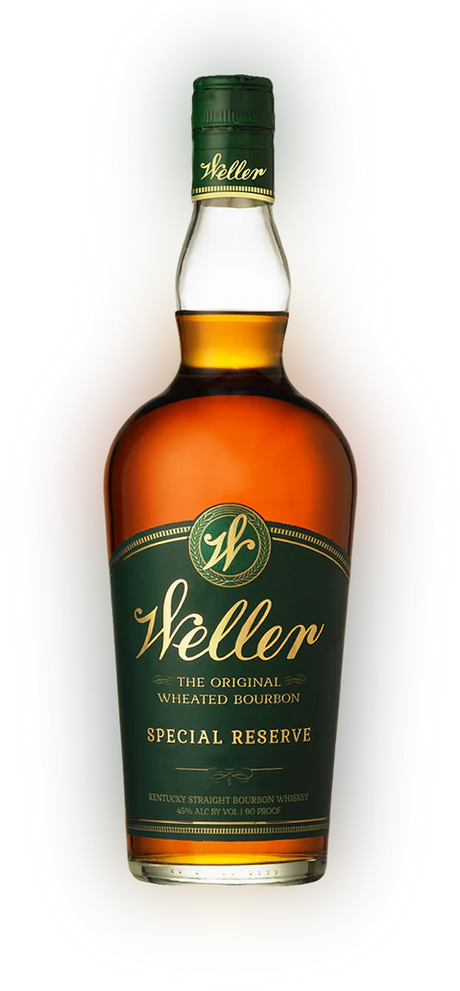
 10% off
 8% off
 9% off

