Mezcal vs. Tequila: What's the Difference?
Mezcal and tequila sit next to each other on our shelves, and half the people who pick up a bottle of one ask about the other. They're close relatives: both are Mexican spirits distilled from agave. But the plant, the place, and the way the agave is cooked make them taste completely different. Here's how to tell them apart and where to start.
In This Guide
Mezcal vs. Tequila at a Glance
| Tequila | Mezcal | |
|---|---|---|
| Agave | Blue Weber agave only | More than 30 species allowed; espadín is the most common |
| Where it's made | Jalisco and parts of Guanajuato, Michoacán, Nayarit, and Tamaulipas | Oaxaca, Guerrero, Durango, and several other states; Oaxaca makes the vast majority |
| How the agave is cooked | Usually steamed in brick ovens or autoclaves | Traditionally roasted in earthen pits over wood |
| Typical flavor | Cooked agave, citrus, black pepper, herbs | Smoke, earth, roasted agave, often fruity, floral, or mineral |
| Aging labels | Blanco, reposado, añejo, extra añejo, cristalino | Joven (blanco), reposado, añejo |
| Classic ways to drink | Margarita, Paloma, sipped neat | Sipped neat, Mezcal Negroni, Oaxaca Old Fashioned |
Is Tequila a Type of Mezcal?
Historically, yes. "Mezcal" has long been the general word for spirits distilled from cooked agave, and tequila started out as the mezcal made around the town of Tequila in Jalisco. Today they're separate legal categories, each with its own denomination of origin and its own rules. So the old saying "all tequila is mezcal, but not all mezcal is tequila" is good history, but on a modern label they're two different things.
The Agave
Tequila can only be made from one plant: blue Weber agave, which takes roughly five to seven years to mature. Mezcal can use many species. Espadín, a cultivated agave that matures in about six to eight years, makes up most mezcal. Wild agaves like tobalá and tepeztate can take 15 years or more to mature, which is a big reason those bottles are rare and expensive. Each species brings its own flavor, so mezcal varies far more from bottle to bottle than tequila does.
How It's Made, and Where the Smoke Comes From
Both spirits start the same way: the agave's leaves are cut away, leaving the heart, called the piña. The difference is how that piña is cooked.
Most tequila producers steam the piñas in above-ground brick ovens or in pressurized autoclaves. That gives clean, sweet, cooked-agave flavors. Traditional mezcal producers roast the piñas for several days in a pit in the ground lined with hot stones and wood, then cover them with earth. The wood smoke soaks into the agave, and that's the smoky character mezcal is known for.
After cooking, the agave is crushed, traditionally with a stone wheel called a tahona or by hand with wooden mallets, then fermented and distilled. Mezcal labels tell you how traditional the process was: Mezcal Artesanal uses pit ovens and copper or clay pot stills, and Mezcal Ancestral must be crushed by hand or tahona and distilled in clay pots.
How They Taste
A good blanco tequila tastes bright and clean: cooked agave, citrus, white pepper, and herbs. Aged reposado and añejo tequilas add vanilla, caramel, and oak. A typical espadín mezcal adds a layer of smoke on top of roasted agave, with earthy, savory, and sometimes tropical-fruit notes. Mezcals from wild agaves can taste floral, mineral, or even funky. Not every mezcal is a smoke bomb, either. Many are gentle and fruit-forward, with the smoke in the background.
How to Drink Them
Tequila is the base of the Margarita and the Paloma, and good tequila is excellent sipped neat. Mezcal is traditionally sipped neat in small sips, often with orange slices and sal de gusano, a chile salt seasoned with toasted agave worm. In cocktails, a little mezcal goes a long way: swap it for gin in a Negroni or for whiskey in an Old Fashioned, or split a Margarita between tequila and mezcal for a hint of smoke.
Bottles to Start With
Tequila
The blanco to taste mezcal against. Clean, bright, and agave-forward, with citrus and black pepper. If you want to understand what mezcal's smoke adds, start here.
Soft, sweet, and smooth, with vanilla and citrus. One of the most popular blancos in our stores and an easy, mellow sipper for people new to agave spirits.
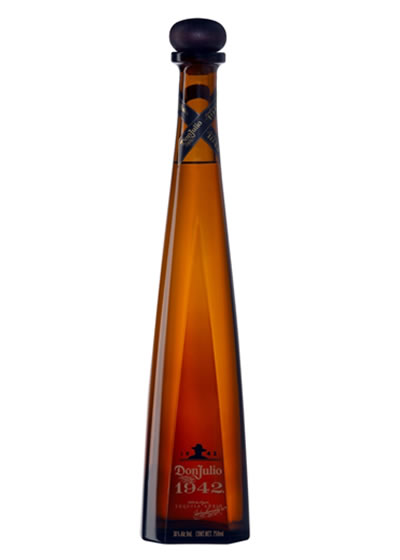
The hand-painted ceramic decanter everyone recognizes. Rich and sweet, with vanilla, caramel, and cooked agave. A special-occasion sipper and one of the most-gifted tequilas we sell.
Mezcal
The mezcal that introduced a lot of bartenders to the category. Balanced smoke, roasted agave, and tropical fruit, made in the traditional way in a single Oaxacan village. Great neat and even better in cocktails.
Made from organic espadín, with gentle smoke, herbs, and citrus. A great first mezcal for tequila drinkers because the smoke stays in the background.
Clean and bright for a mezcal, with green pepper, citrus, and a light, sweet smoke. One of our favorites for a mezcal margarita.
A blend of espadín and barril agaves made by a cooperative of small Oaxacan farmers. Fruity, lightly smoky, and one of the best values in mezcal.
Frequently Asked Questions
Is mezcal stronger than tequila?
Often, but not always. Most tequila is bottled at 40% ABV, while many mezcals are bottled between 40% and 50% or higher. Check the label.
Does mezcal have a worm in it?
Real tequila never does. The worm in some mezcal bottles is a mid-20th-century marketing gimmick, found mostly in lower-end bottles. Quality mezcal producers don't use it.
Is sotol a mezcal?
No. Sotol is made from the desert spoon plant, which isn't an agave, and it has its own denomination of origin in northern Mexico.
Which should I try first?
If you're new to agave spirits, start with a 100% agave blanco tequila. If you already like tequila and want something new, try an espadín joven mezcal side by side with your favorite blanco.
Shop Tequila and Mezcal at The Liquor Barn
700+ tequilas and dozens of mezcals, from everyday blancos to rare wild agaves. Ships nationwide. Family-owned since 1982.
Shop Tequila Shop Mezcal Additive-Free TequilaThe Liquor Barn operates three retail locations in Vernon Hills, Wheeling, and Niles, Illinois. We are a licensed Illinois retailer and ship to states where direct-to-consumer alcohol shipping is permitted. Prices and availability change; the product page always has the current price. Questions about shipping to your state? Contact us here.